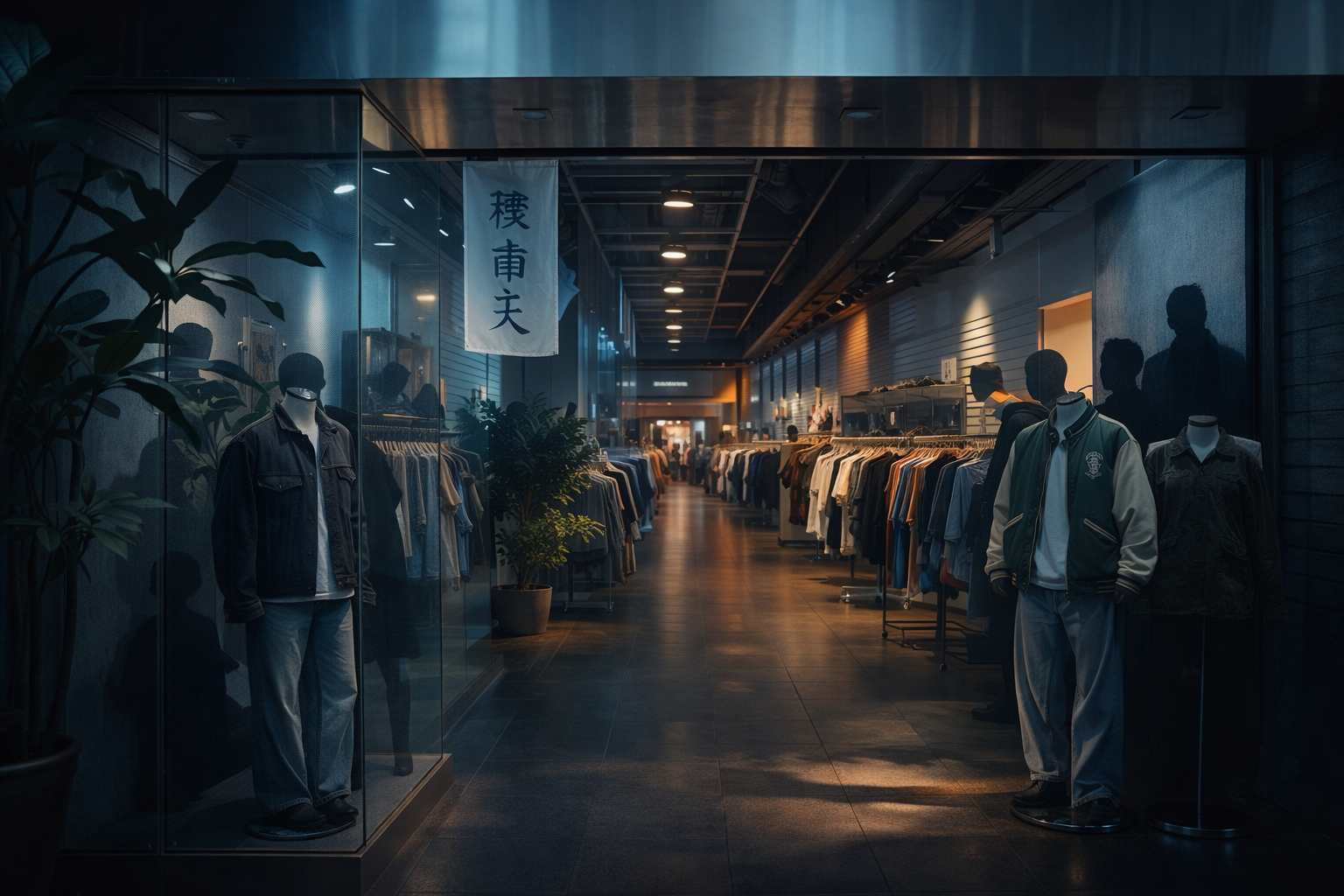
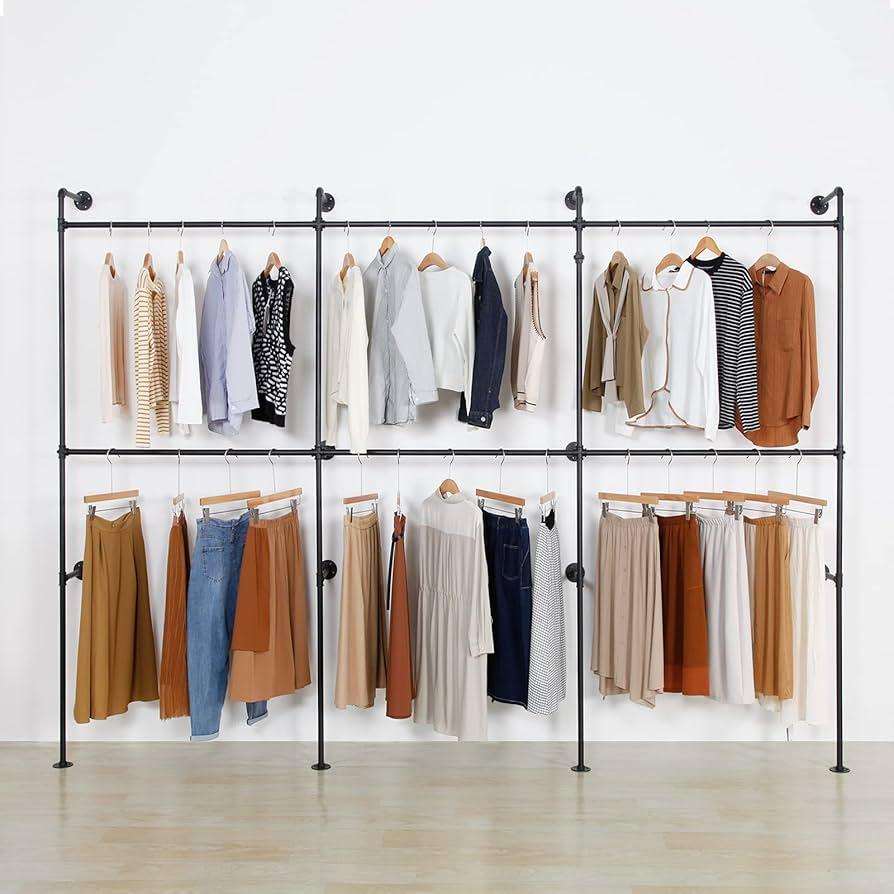
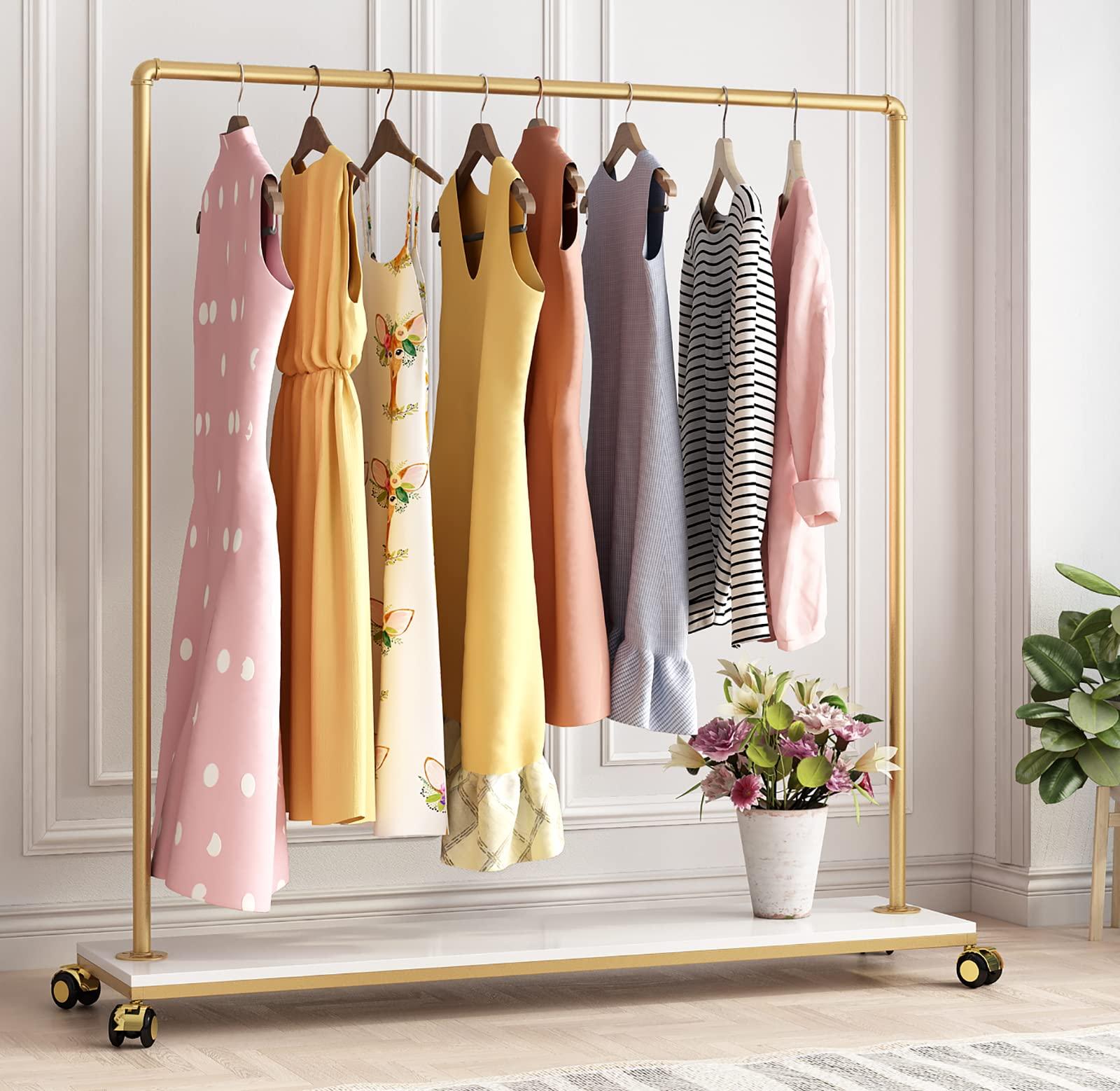
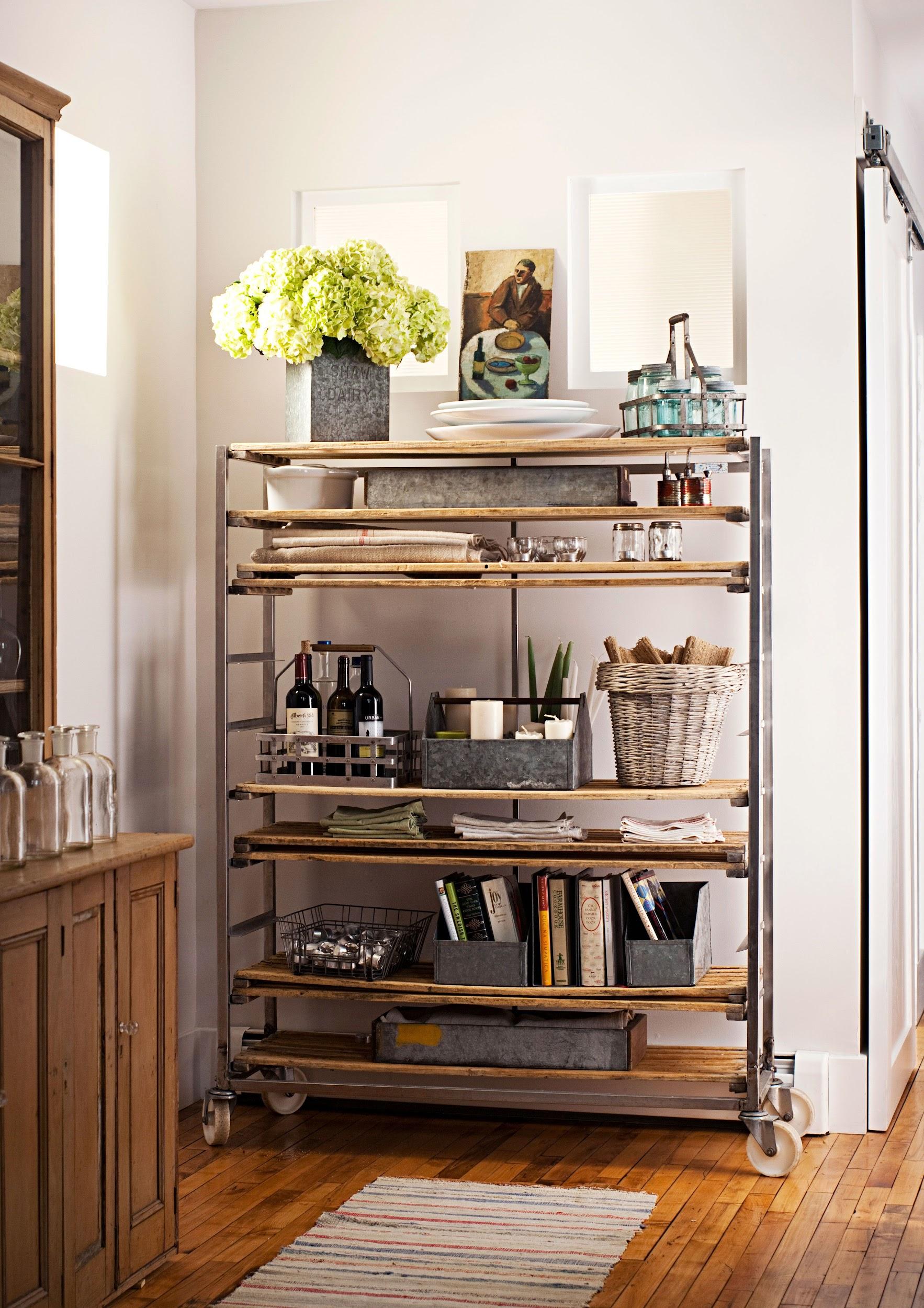
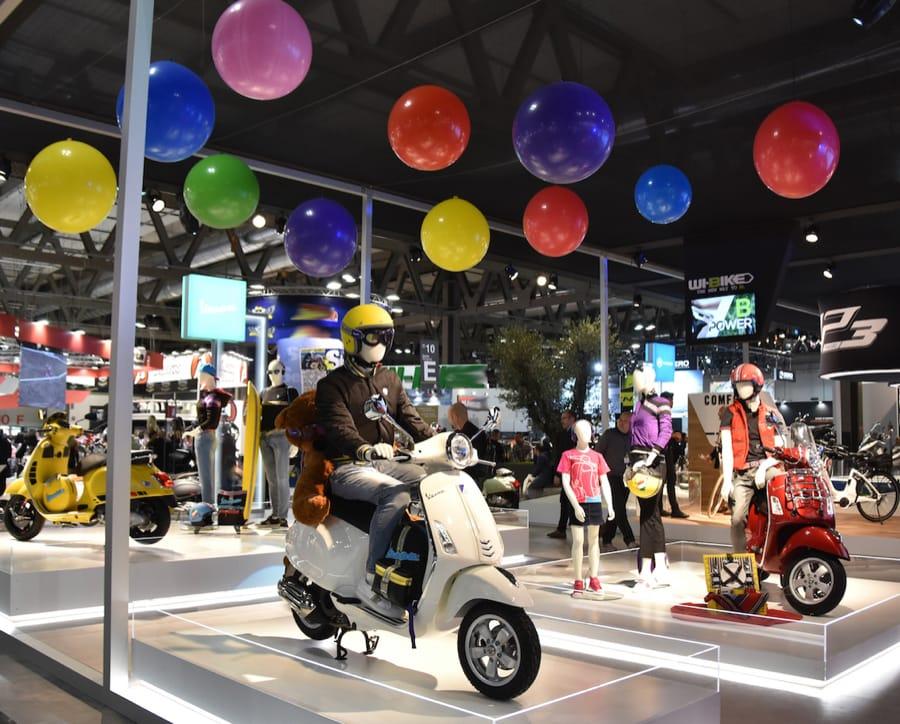
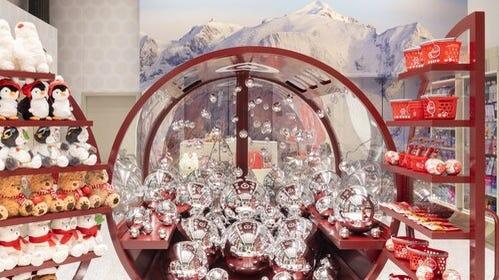
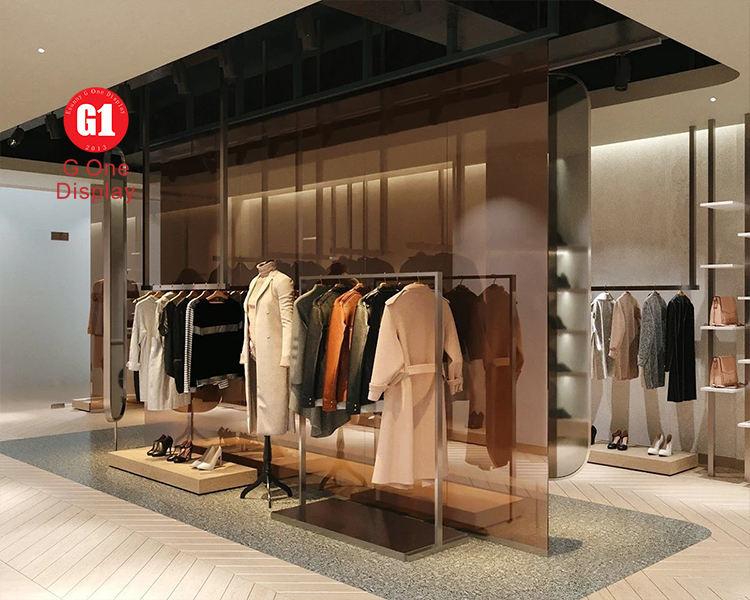
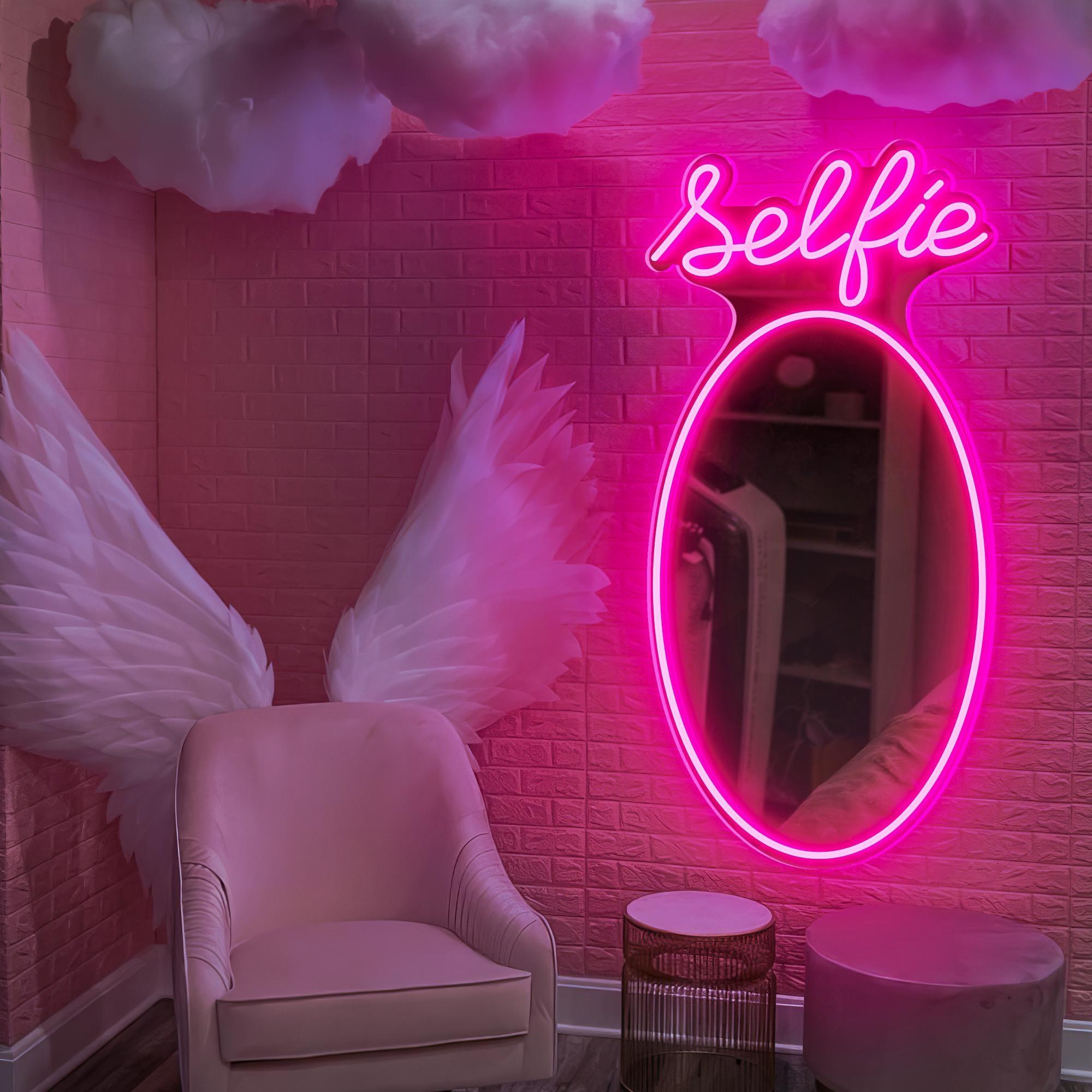
This is your CORE money-maker. Shift to: controlled density + rhythm.
Layout Move:
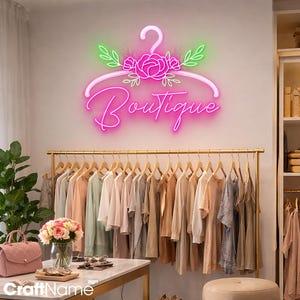
Instead of evenly spaced racks, use staggered clustering: left rack slightly forward, right rack slightly back, then alternate. This creates movement, visual curiosity, and slows people down.
Right now: walls are very "display retail." We want: archive + layering.
Slight unevenness
Mix: hanging, stacked, and featured pieces
Not too perfect
06 — Narrative
Day + Night Concept
You've unlocked a full narrative environment — not just a store. What you're describing is:
A time-of-day journey: Day → Golden Hour → Night Market
This gives emotional progression, solves your layout naturally, and ties into your artistic instincts.
☀️
Day
🌇
Golden Hour
🌙
Night
The Gradient Experience
Front
Light, breathable, easy to enter
Cool, grounded
Mid
Denser racks, more layering
Treasure hunt builds
Warmth creeping in
Back
Darker, neon, cinematic
The "whoa" moment
Depth + journey
"The deeper you go, the more the world changes."
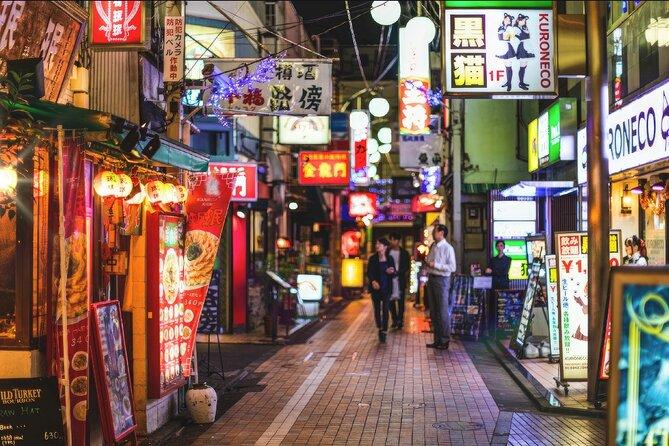
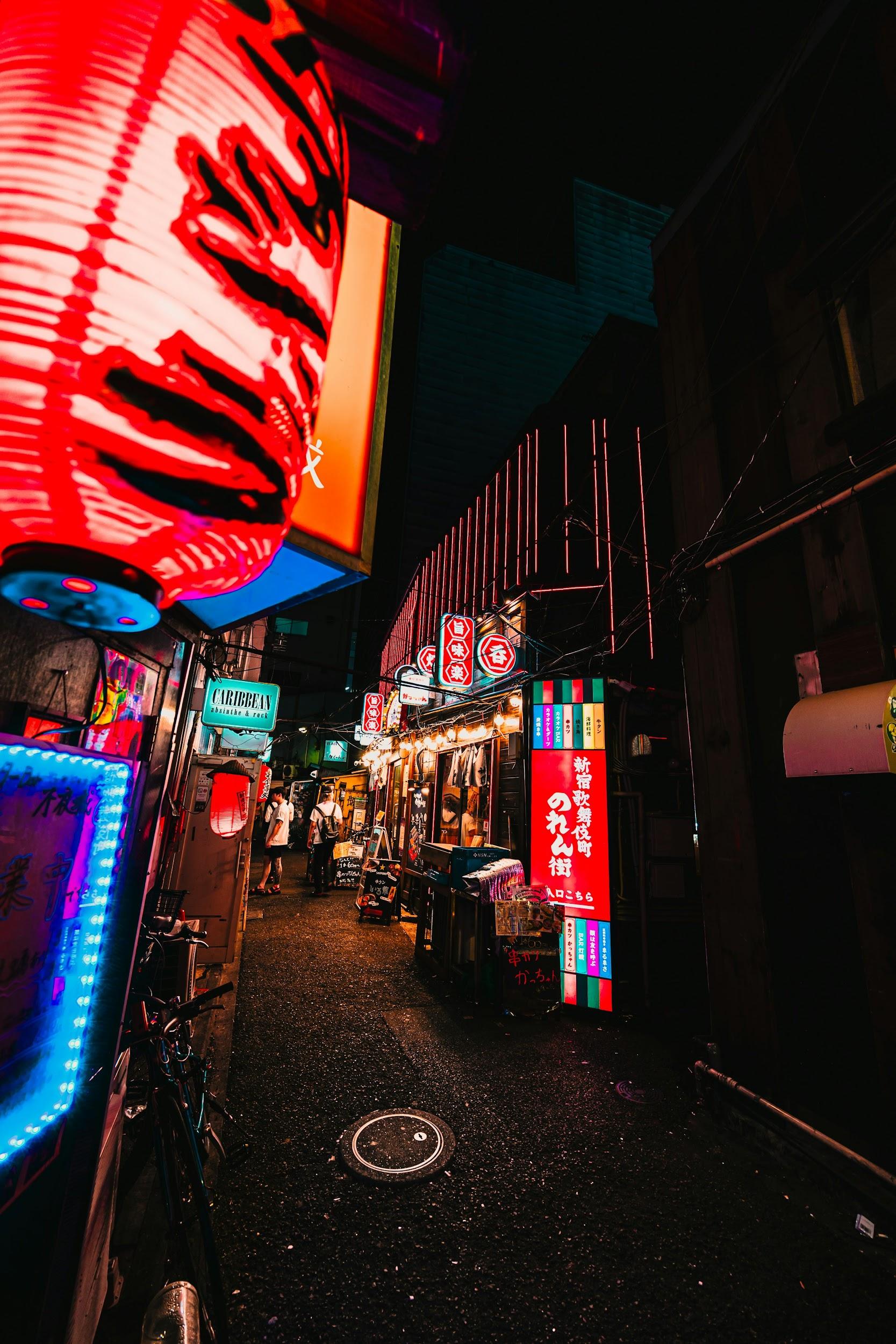
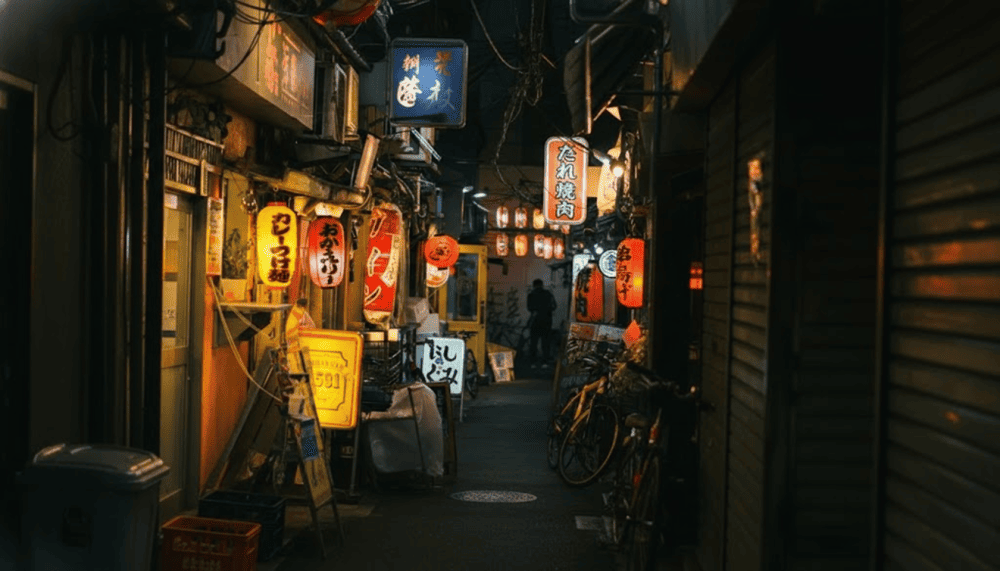
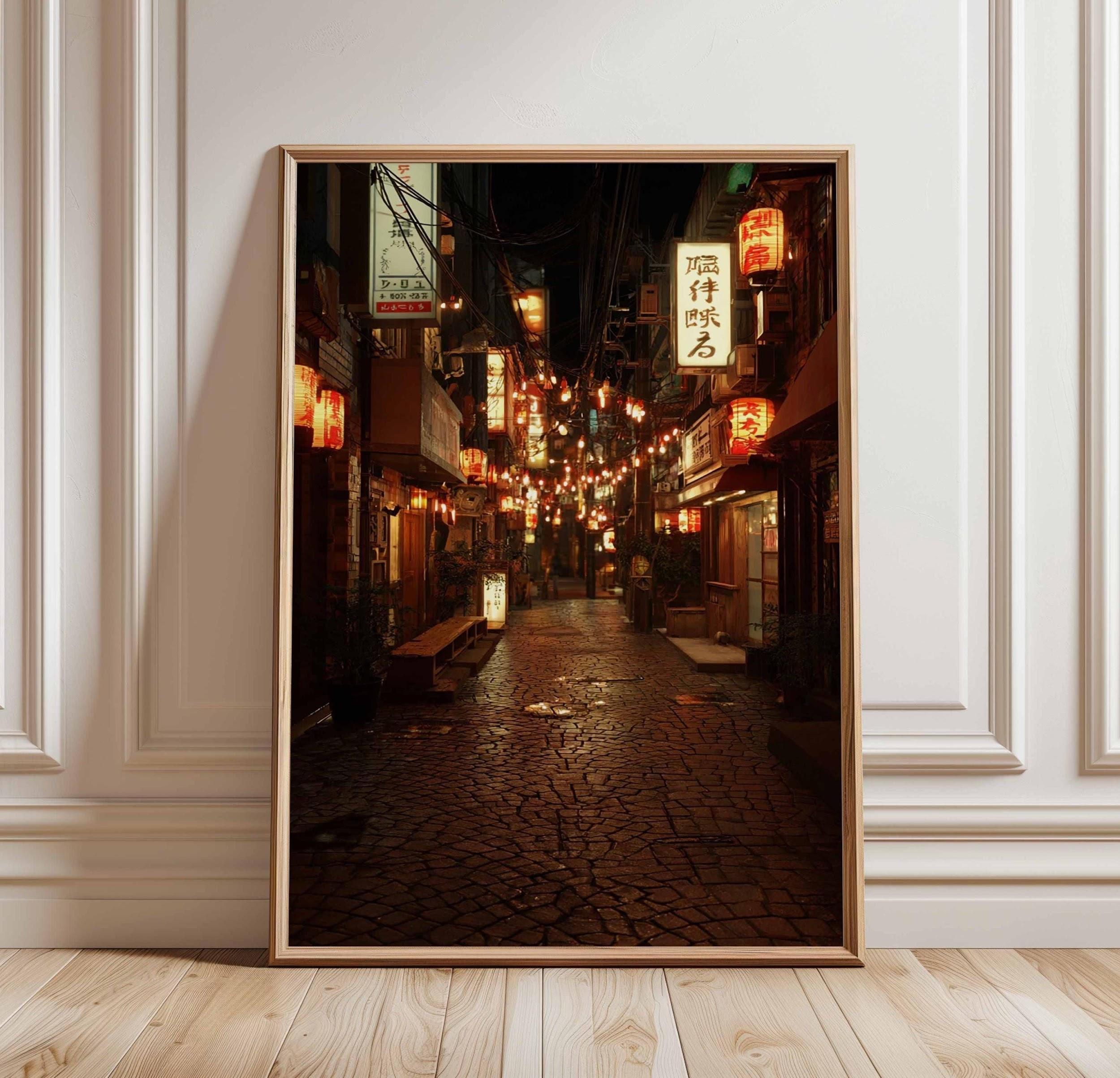
Visual References — Day to Night Mood
Night Lanterns
Framed Market
The Danger (and How to Avoid It)
Avoid
Too much neon = cheap
Too themed = gimmicky
Too dark = people avoid it
The Balance
80% vintage archive
20% Tokyo night market energy
It should feel like a hint, not a costume
07 — First Impression
Entrance — "Day Market Threshold"
"You're stepping off the street... into a curated market alley that's just waking up."
Not bright retail. Not calm boutique. Alive, but not loud yet.
What Makes a "Market Entrance" Feel Real
1. Threshold
You don't just walk in. You pass through something.
2. Partial Obstruction
You can't see everything immediately. Your brain leans forward.
3. Signals of Life Inside
Textures, hanging elements, depth.
How to Build This (Physical)
1
Create a "Gateway"
Add ONE: hanging fabric strip (vertical), narrow overhead element (banner, sign, metal bar), or subtle ceiling drop feeling. Not blocking — just marking entry.
2
Layer the First 6–10 Feet
Instead of open → racks, do micro layers: plant (left or right), mannequin slightly forward, rack slightly offset behind. Creates depth and "walk into" feeling.
3
Cool But Textured Light
Think morning city shade. Slightly cool tone, BUT with shadows + contrast. Not bright mall white, not blue LED.
4
Add "Market Signals" (Subtle)
ONE hanging vertical piece: banner (Japanese-inspired or abstract), fabric strip, or subtle signage.
5
Break the Sightline
Place a rack slightly off-center. Not blocking, just bending the view. This creates a slight visual interruption.
Entrance Balance Check
Too Much
Result
Plants
Lifestyle boutique
Blue theme
Gimmicky
Decor overload
Loses mystery
The correct entrance: Calm, cool, slightly industrial... with hints of something deeper inside.
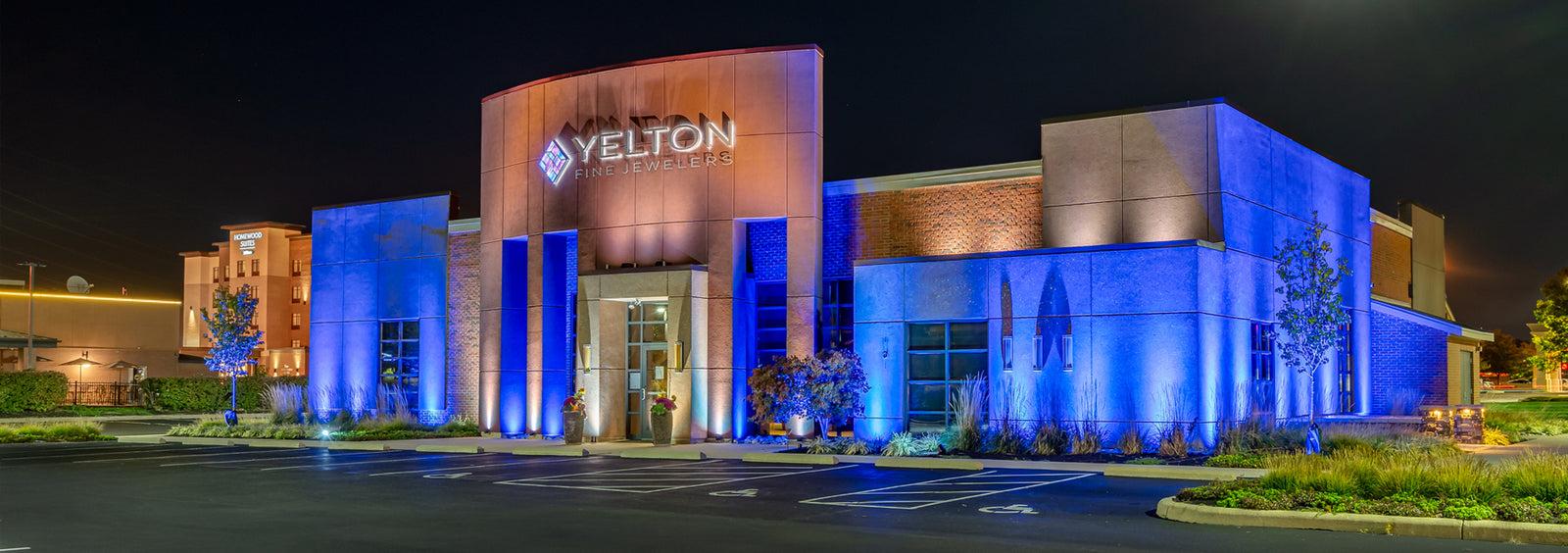
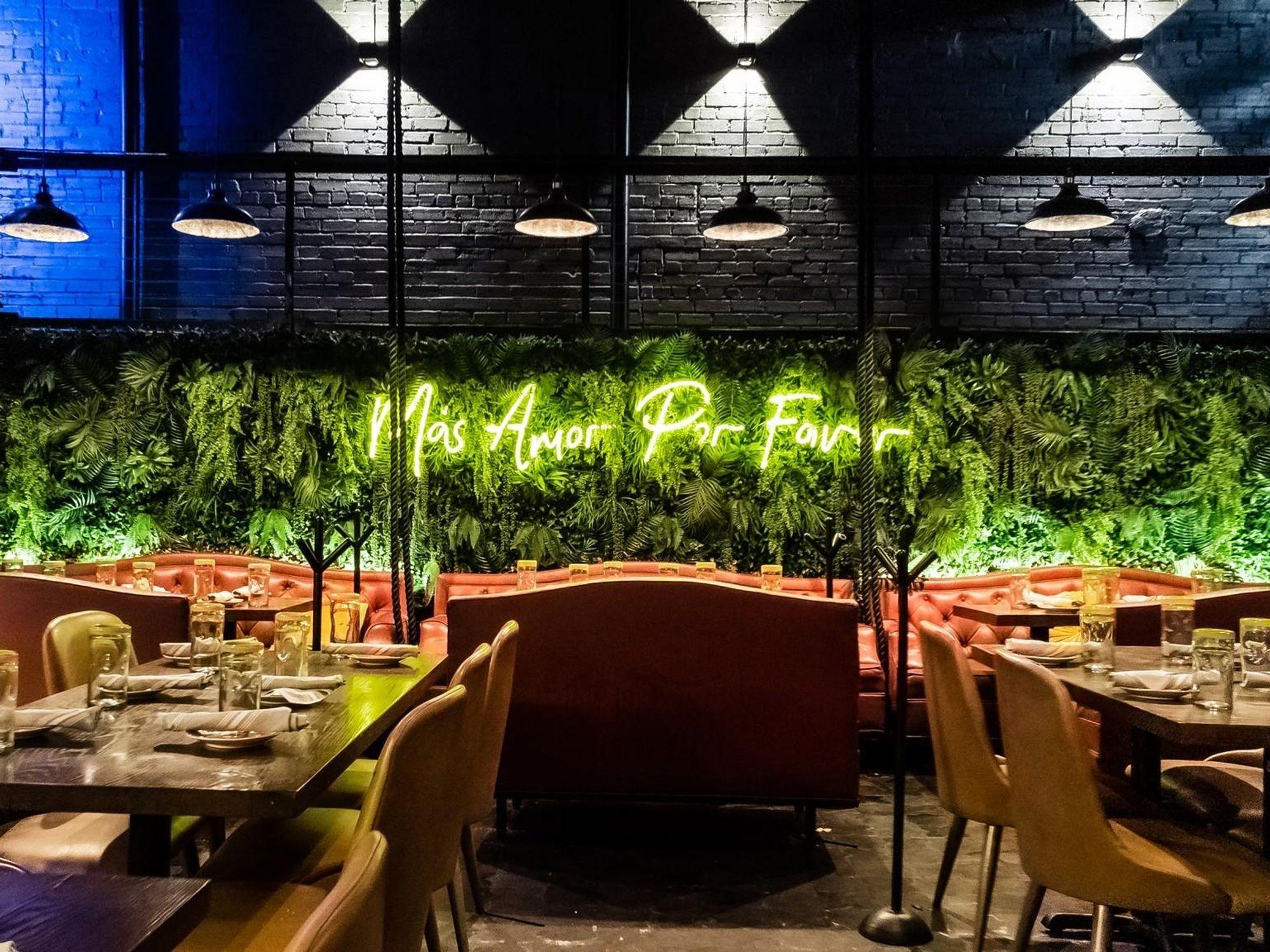
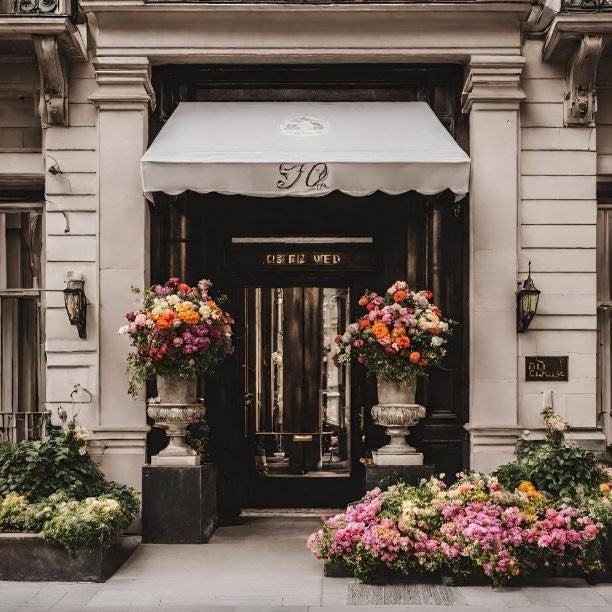
Visual References — Entrance Mood
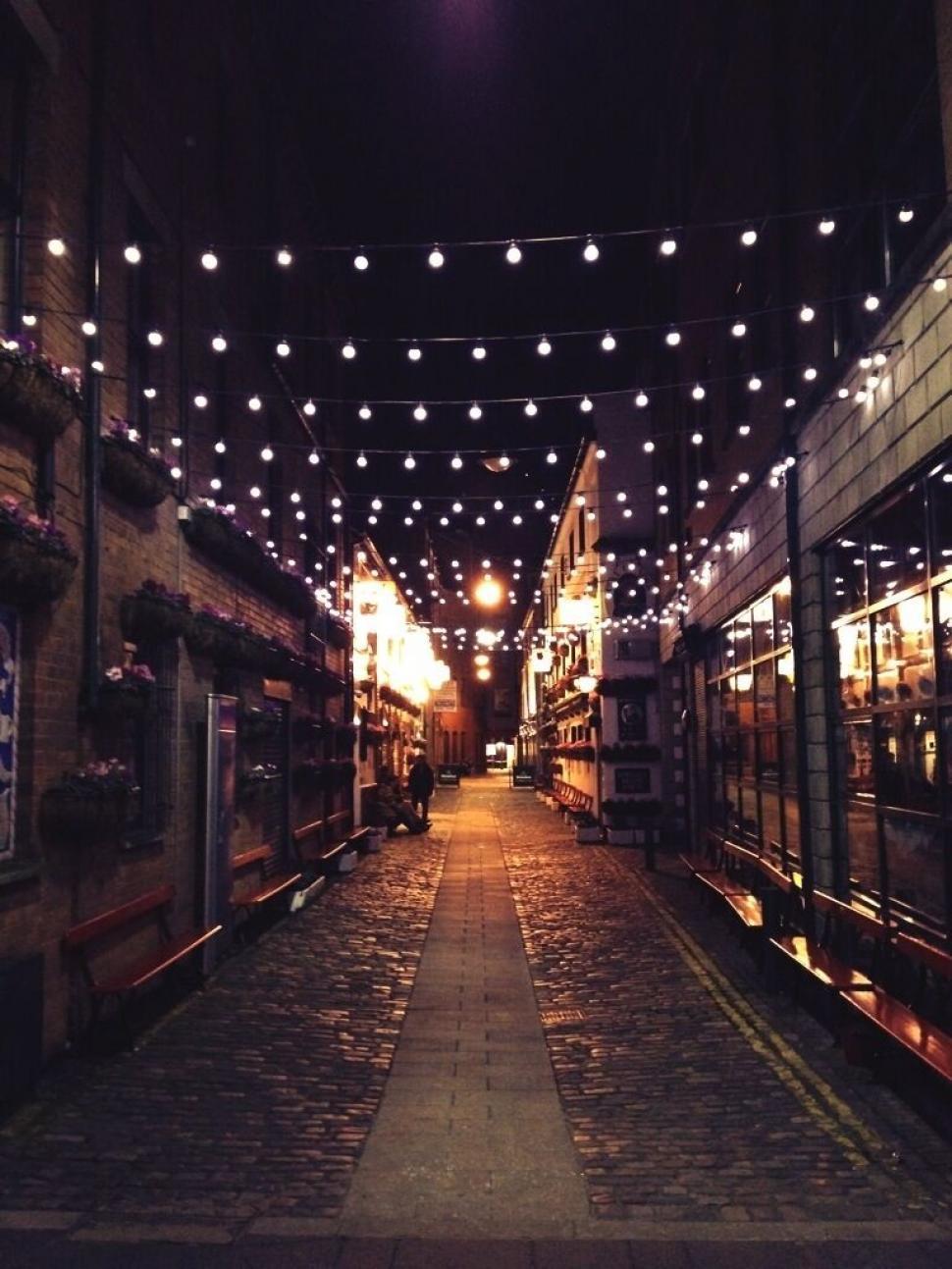
String Lights
Blue Glow
Natural Greenery
Elegant Storefront
Final Visual
You walk in... It feels like open air, early in the day. Cool tones, space to breathe. But something is pulling you forward. You don't see everything yet. Then... it warms. It tightens. It deepens. Then... you're in the night market.
08 — Sensory System
Inti Vintage — Sensory Store System
A curated treasure hunt that transforms into a night market as you move deeper.
Lighting: 2700–3000K base + 1–2 accent lights (neon or warm lamps)
Density: slightly tighter spacing
Product: strongest / boldest pieces
Atmosphere: layered lighting + contrast
Do
Use contrast (light vs shadow)
Add 1 focal neon/sign element
Don't
Overuse color lighting
Make it too dark to shop
09 — Sense 1
Sight: Lighting
Lighting is where it either becomes cinematic... or stays a normal store. Not "lights" — but emotional progression through light.
What Night Market Lighting Actually Is
Not just neon. It's a mix of imperfect light sources:
Warm glows
Pockets of brightness
Shadows in between
Uneven distribution
That creates: mystery + depth + movement
Your Store Lighting Story
Zone 1 — Entrance (Daylight Shade)
Feeling: Cool, breathable, open — but not sterile
Color Temp4000–4500K (neutral-cool)
DiffusionSoft (not harsh spotlights)
FeelLike standing in shade outside
Subtle move: Let shadows exist. Not everything needs to be perfectly lit.
Avoid: Bright white (5000K+) feels like a clinic. Warm light here kills your progression.
Zone 2 — Middle (Golden Hour)
Feeling: Warmth creeping in
Color Temp3000–3500K
Track LightsSlightly warmer
What changes: Colors feel richer. Skin tones look better. Clothing feels more "alive."
Key Move: Don't change all lights. Mix some cool (from front bleed) + some warm (new lights). Creates transition, not jump.
Zone 3 — Back (Night Market)
Feeling: Immersive, layered, glowing
Base Light2700–3000K (warm)
AccentsColored, very controlled
Introduce:
Point light sources (not just ceiling): neon sign, small warm bulbs, accent lamps
Contrast: some areas darker, some glowing — this creates depth
Color accents (VERY LIMITED): Pick 1–2 max — red, soft magenta, maybe a hint of blue. Not rainbow, not everywhere.
Lighting Principles
01
Not everything should be equally visible
Retail says "light everything evenly." You say: guide attention.
02
Light = direction
People walk toward warmth, glow, contrast. Your back area should pull them.
03
Shadows = atmosphere
If there are no shadows: it feels flat, no depth, no mystery.
Implementation Steps
1
Keep current front lighting
Just soften if needed
2
Swap SOME middle bulbs to warmer tones
Not all — creates transition
3
Add 1–2 accent lights in the back
Neon, warm lamp, or directional spotlight
4
Turn OFF or dim 10–20% of lights in back
This is huge — creates contrast instantly
Lighting is what turns your store from a place you look at... into a place you move through.
Visual References — Lighting
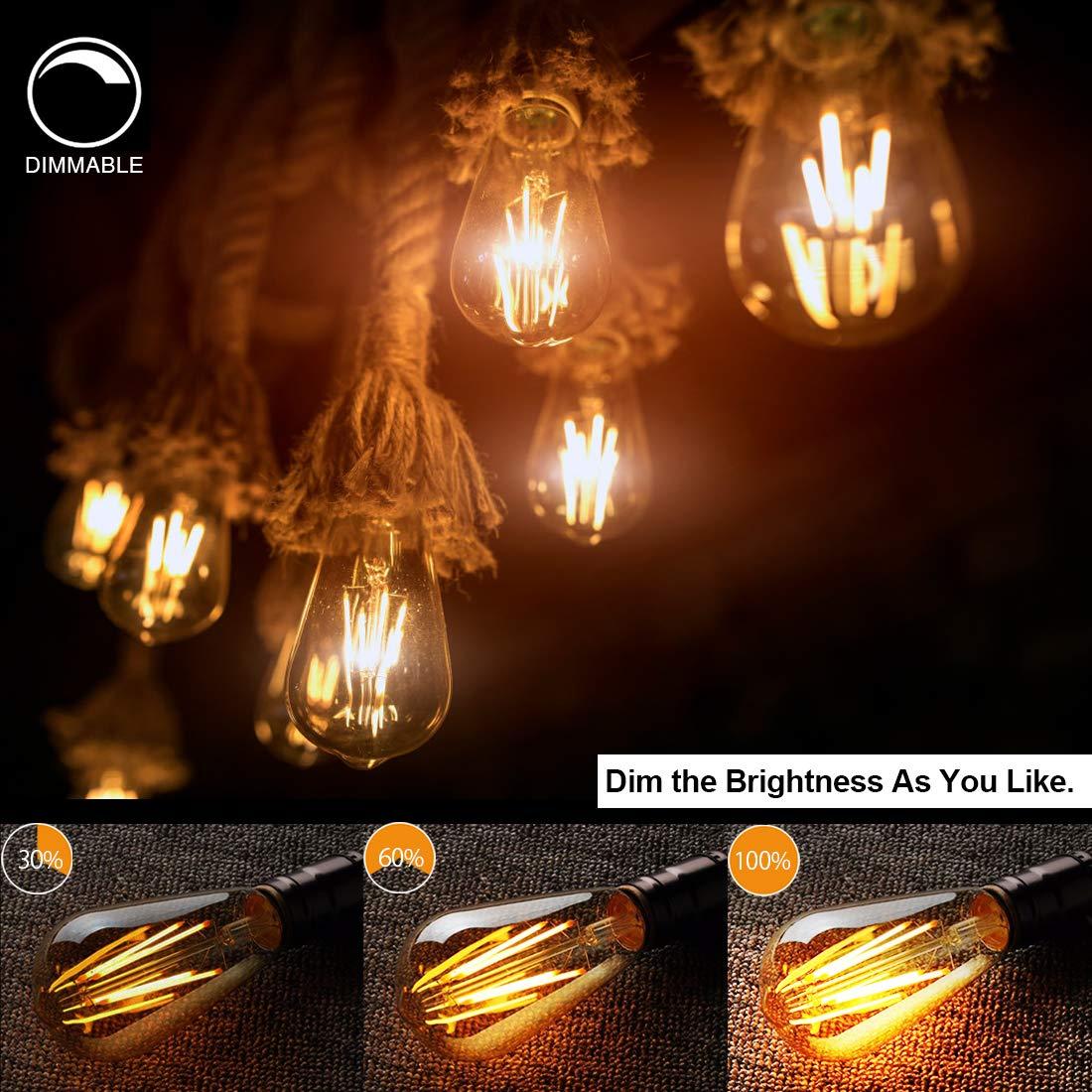
Edison Bulbs
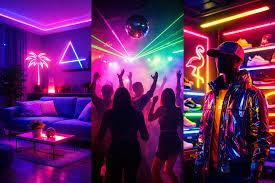
Neon Accent
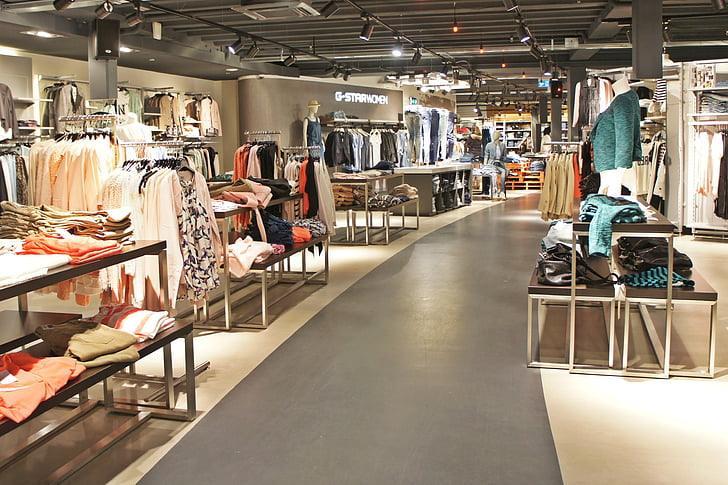
Retail Depth
Cinematic Interior
10 — Sense 2
Smell: Diffusers / Scent
Smell is the anchor. It's the fastest way to make your space feel real instead of staged. Smell can either elevate everything — or instantly cheapen the whole experience.
"Warm, textured, human... with a hint of intrigue"
Your Scent Profile (Formula)
Base (60%) — Grounding
This is what people don't consciously notice, but feel.
Or faint green (like crushed leaf, not fresh plant)
Creates: curiosity
Scent Zones
Entrance (Day)
Lightest scent. Mostly neutral / airy. Hint of wood. Almost unnoticeable.
Middle (Golden Hour)
Warmth increases. More amber + fabric. People start feeling it.
Back (Night Market)
Slightly deeper. Richer musk + warmth. Subtle spice note appears. This is where it becomes emotional.
What to Avoid (Critical)
Vanilla — too sweet / cheap retail
Citrus overload — too clean / gym-like
Strong florals — breaks your industrial identity
"New laundry" scent — kills vintage authenticity
People won't say "this store smells good." They'll say "this place feels different."
11 — Sense 3
Sound: Ambient Noises / Music
This is the layer that makes everything you've built feel alive instead of staged.
Lighting = what they see. Scent = what they feel. Sound = what makes it breathe.
Your 3 Sound Zones
Front — "Day / Entry"
Feeling: Quiet, spacious, grounded
Sound: Very light music, almost ignorable. Instrumental, soft, minimal, slow tempo.
Customers are still "in the real world." You can still hear footsteps, hangers, small movements. This is important — it feels real.
Middle — "Golden Hour"
Feeling: Warmer, more rhythmic, subtle energy
Sound: Lo-fi beats, soft groove, slightly more presence. Head-nod tempo, not loud, not distracting.
What changes: Rhythm appears. People slow down, stay longer, get into flow.
Back — "Night Market"
Feeling: Alive, layered, immersive
Sound = 2 layers:
1. Music (base)
Night drive
Japanese jazz
Ambient electronic
Deeper tones
2. Ambient Texture (the secret)
VERY low volume: distant chatter, subtle street noise, faint movement. Almost subconscious.
Sound should be felt, not noticed. If someone says "the music is loud" → you failed. If someone says "this place feels good" → you nailed it.
Sound Style References
Front
Ambient minimal, slow instrumental
Middle
Lo-fi, soft groove
Back
Japanese jazz, night drive, ambient electronic
Sound turns your store from a visual experience... into a living environment.
12 — Senses 4, 5 & 6
Touch, Taste & The 6th Sense
✋
4. Touch — "The Store You Can Feel"
This is massively underrated in retail. In a night market: fabrics brushing your arm, slightly tight spaces, different materials constantly, not everything smooth or perfect. You are in contact with the environment.
How to Do It:
Rack spacing: Not too wide, not cramped. Just enough that clothes lightly brush — you feel the garments
Material variation: Metal racks, soft fabrics, maybe one rougher texture moment
Table + rack layering: Folded pieces, hanging pieces — different hand motions (flipping, sliding, lifting)
"Grab moments": Place textured jackets, denim, bold graphics to naturally invite touch