Merchandising Plan

Inti Vintage

A curated treasure hunt that transforms into a night market as you move deeper. Every rack feels like a hidden archive. Every find feels personal.

Scroll to explore
  1. Core Concept — Store Feel
  2. The Customer Experience
  3. Space Identity & Design Principles
  4. Merchandising Structure
  5. Zone Map — The Alleyway Journey
  6. Day + Night Concept
  7. Entrance — The Threshold
  8. Sensory Store System
  9. Sense 1 — Sight (Lighting)
  10. Sense 2 — Smell (Scent)
  11. Sense 3 — Sound
  12. Senses 4, 5, 6 — Touch, Taste, Discovery
  13. Design Rules (Refined)
  14. Do's & Don'ts (Master List)
  15. Quick Implementation
01 — Foundation

Core Concept — Store Feel

This is the core of everything you're building. Not just "how the store looks," but how people feel moving through it.

"Curated treasure hunt inside an artist's industrial archive."

Not chaotic thrift. Not clean mall retail. Something in between:

The Perfect Balance

Too Thrift Too Retail Inti
MessySterileControlled chaos
RandomPredictableDiscoverable
Cheap-feelingOverpriced-feelingFound value
OverwhelmingBoringEngaging
02 — Customer Journey

The Experience (What the Customer Feels)

1

Entry

Slight overwhelm... but intriguing, not stressful. "Wait... what is this place?" You've already broken mall expectations.

2

First 2–3 Minutes

They start spotting pieces — a perfect jacket, a weird graphic tee, a rare denim. Dopamine hits begin. "There's good stuff here."

3

Exploration Phase (Your GOLD)

They slow down. They dig. They scan racks more carefully. This is the treasure hunt moment.

4

Discovery Moment

"No way... this is sick." They hold it up. They look around (validation instinct). This is what makes your store addictive.

03 — Identity

Space Identity & Design Principles

Visual Identity

Industrial + archival + artistic chaos (controlled)

Think: NYC artist loft. Backroom of a fashion archive. A place where stylists pull pieces.

NOT: Clean Zara grid, perfect color-coded racks, overly curated boutique minimalism.

Design Principles (Your Filter)

Every decision should pass these:

01

"Does this feel like discovery?"

If it's too clean — no. If it's too random — no. If it invites digging — yes.

02

"Does this feel like we found this, not we ordered this?"

One-of-one energy must stay intact.

03

"Is there visual rhythm?"

Dense areas (digging) + open breathing areas (reset). This prevents overwhelm.

04

"Does this elevate the piece without over-presenting it?"

Vintage should feel special but not precious.

What Makes Your Store Special

🏬

Mall Stores

Sell multiples. Predict trends. Control experience.

🔥

Inti Vintage

Sell singular pieces. Curate from chaos. Create discovery.

Your advantage: emotion + uniqueness + hunt

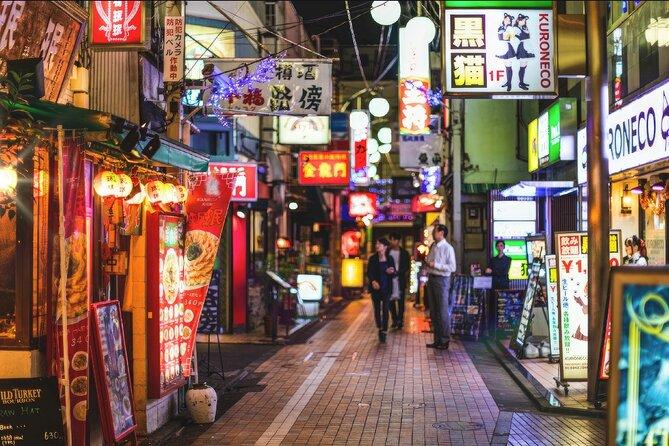
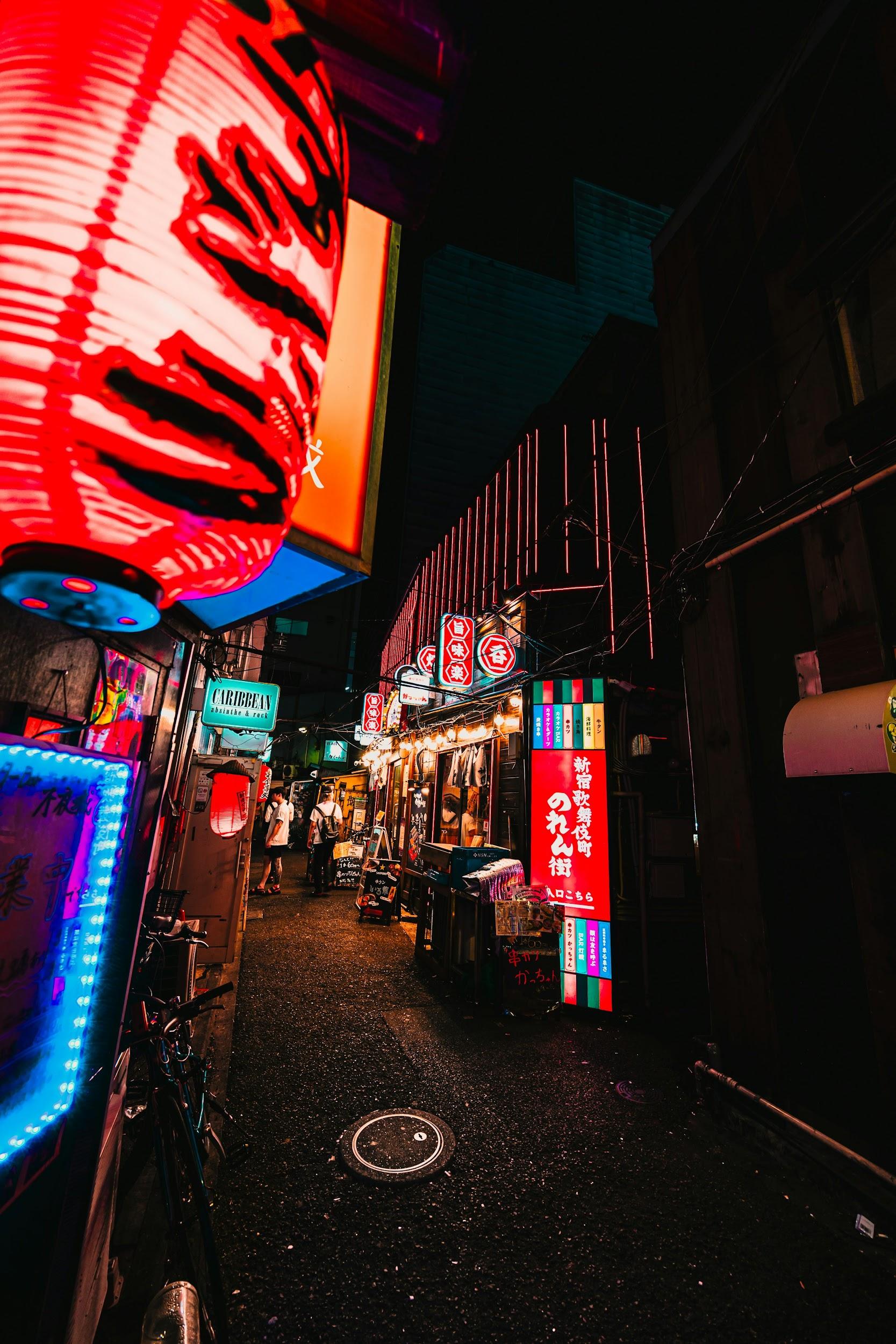
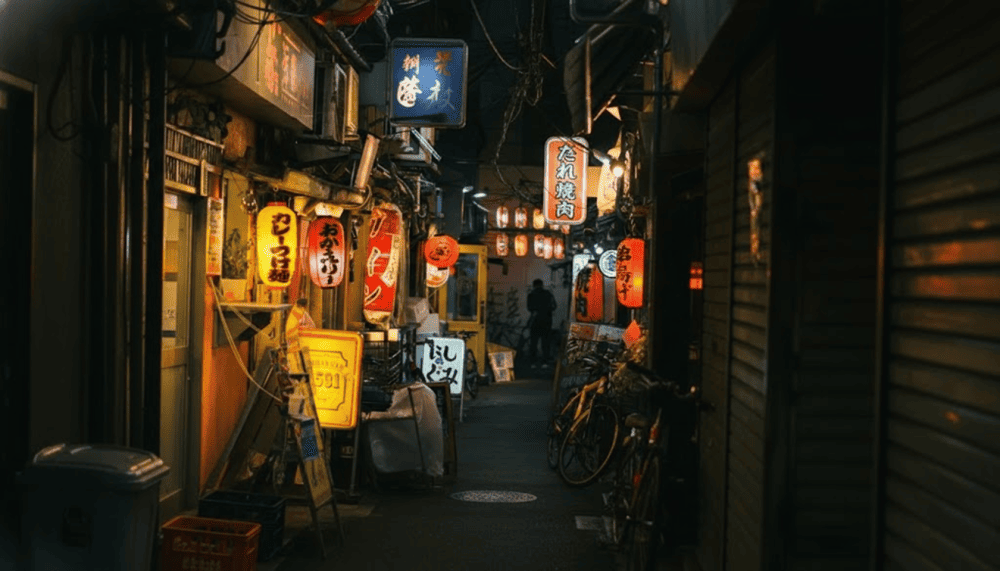
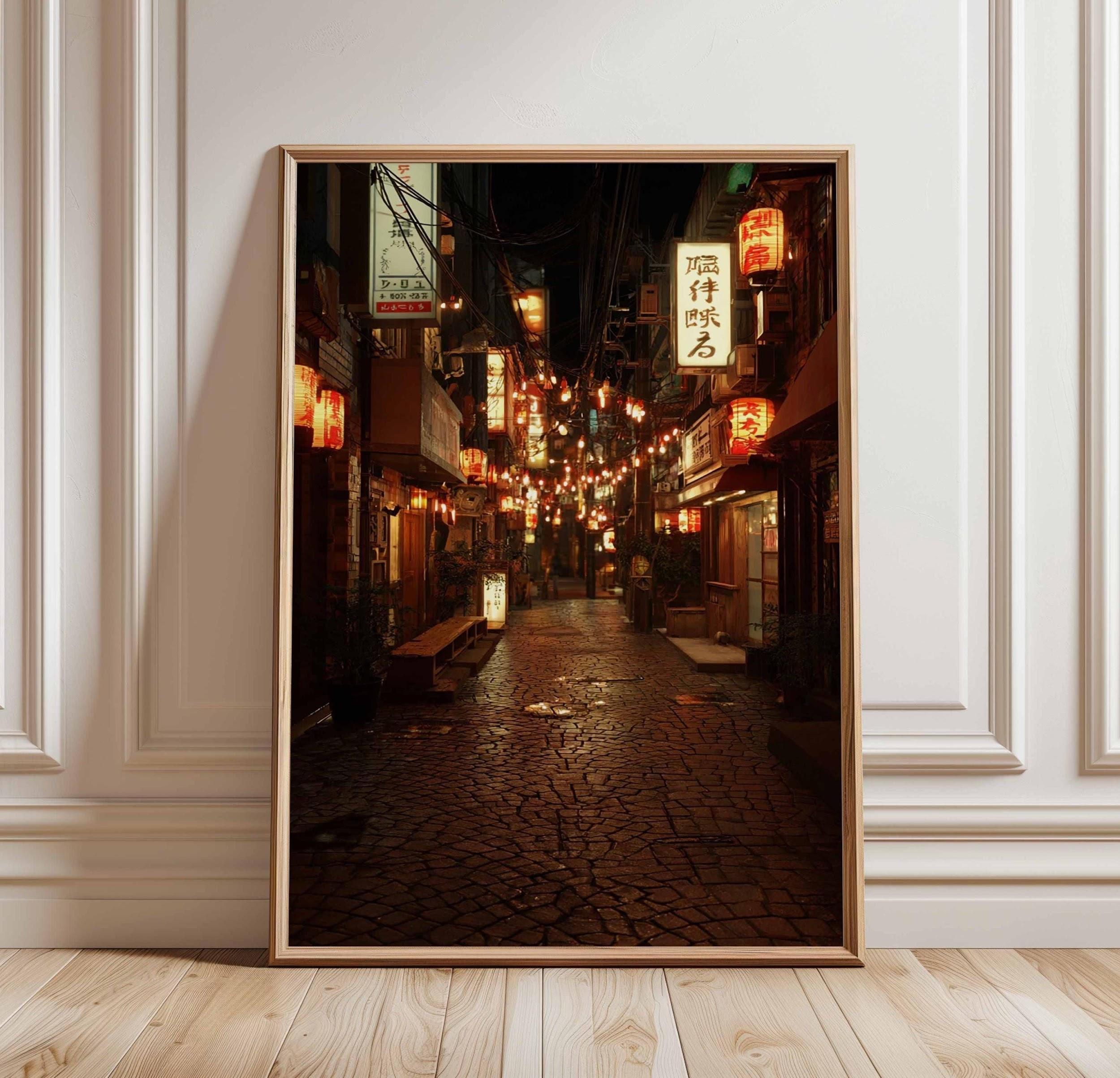
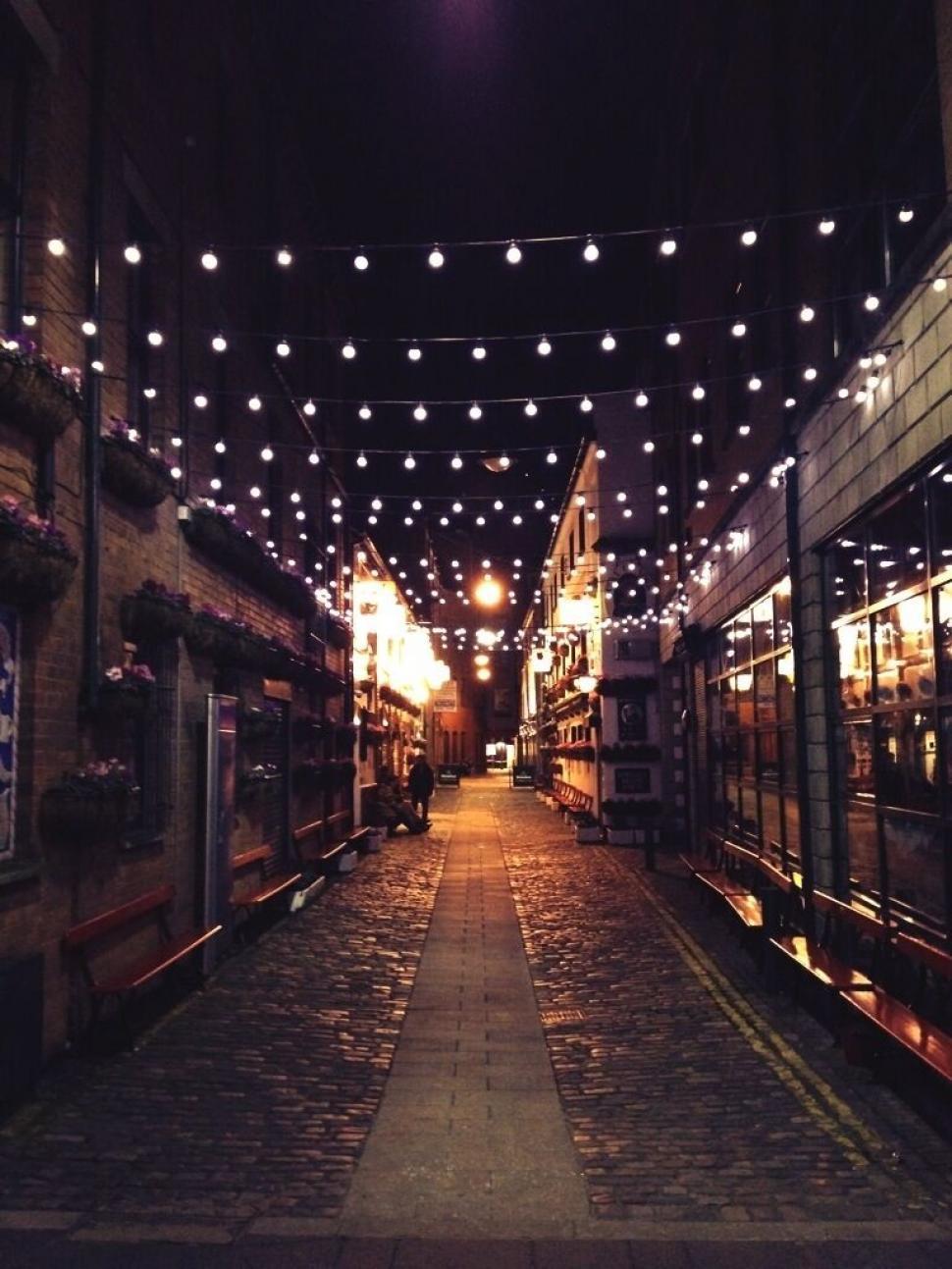
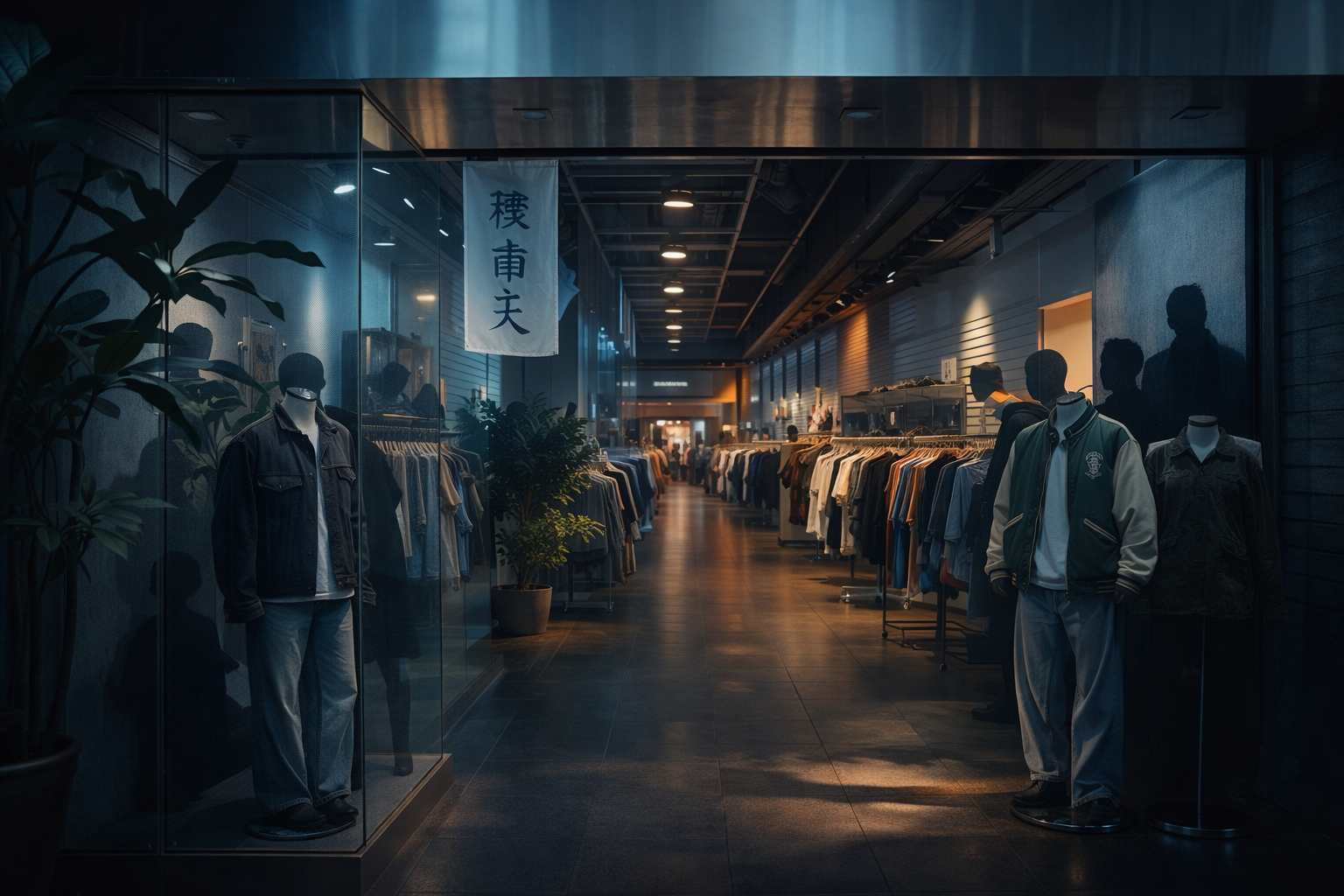
Visual References — Night Market Inspiration

Your Specific Style

You're not just "vintage store owner." You are:

"Someone with taste has been here before me... and left clues."

04 — Structure

Merchandising Structure

You are balancing two worlds:

A

Treasure Hunt (Core Identity)

  • Mixed racks
  • Unexpected finds
  • Price variation
  • Era blending (70s + Y2K = your signature)
B

Anchor Clarity (Guide People)

  • Small structured sections: Denim wall, Jackets, Graphics, Premium rack
  • Keeps people from getting lost

Key Visual Moves

1. Layering

Rack behind rack. Table + rack combo. Items slightly overlapping. Depth = intrigue.

2. Highlight Pieces (Sparingly)

1 standout jacket, 1 wild tee, 1 strong color moment. NOT too many or it loses power.

3. Imperfect Order

Don't over-color-code. Slight disruption in flow. Feels human, not corporate.

4. Texture > Perfection

Metal racks, raw finishes, slight wear. Aligns with brutalist/industrial taste.

05 — Zone Map

Your Store = A Straight-Line Journey

You have a long rectangular runway — this is rare and powerful. We turn it into:

"Main alley → side pockets → deep market zone"

Entrance (0–15ft)
Main Alley (15–60ft)
Transition (60–80ft)
Back Market (80–100ft+)
Zone 1 — Entrance (0–15 ft)

"Soft entry / curiosity hook"

Goal: "Wait... what is this place?" (not "I understand everything instantly")

Zone 2 — Main Alley (15–60 ft)

"Treasure hunt runway"

This is your CORE money-maker. Shift to: controlled density + rhythm.

Layout Move:

Instead of evenly spaced racks, use staggered clustering: left rack slightly forward, right rack slightly back, then alternate. This creates movement, visual curiosity, and slows people down.

Goal: "I need to look closer..."

Zone 3 — Transition (60–80 ft)

"Shift in atmosphere"

This is where the magic starts. "Something is different ahead."

Zone 4 — Back Market (80–100 ft+)

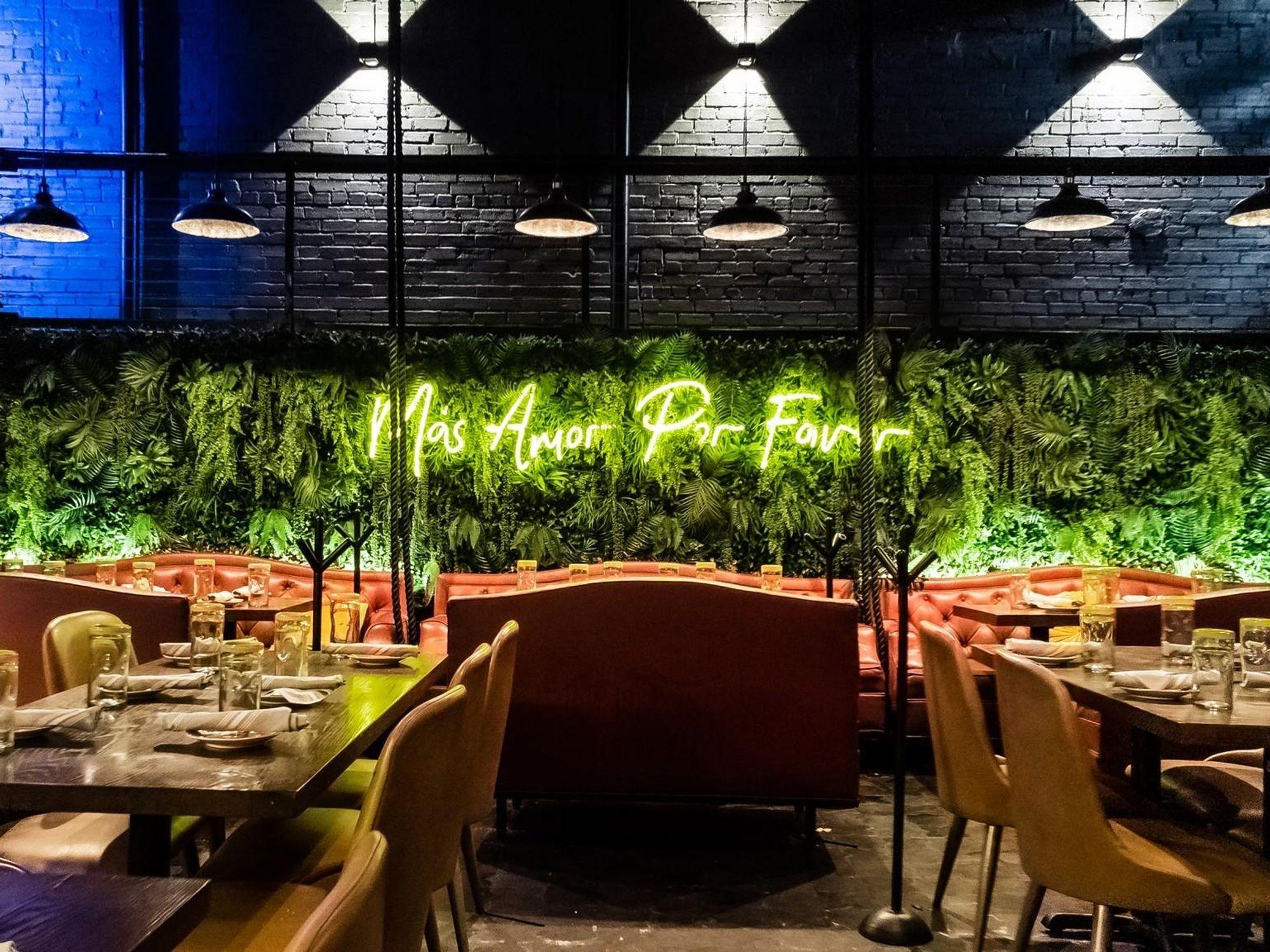
"Your Tokyo Night Moment"

This is your cinematic zone.

Layout:

Add:

Goal: "Whoa... this is different"

Flow Control

Speed

FrontFast
MiddleSlow
BackLinger

Emotion

FrontCuriosity
MiddleDiscovery
BackImmersion

Side Walls (Important Fix)

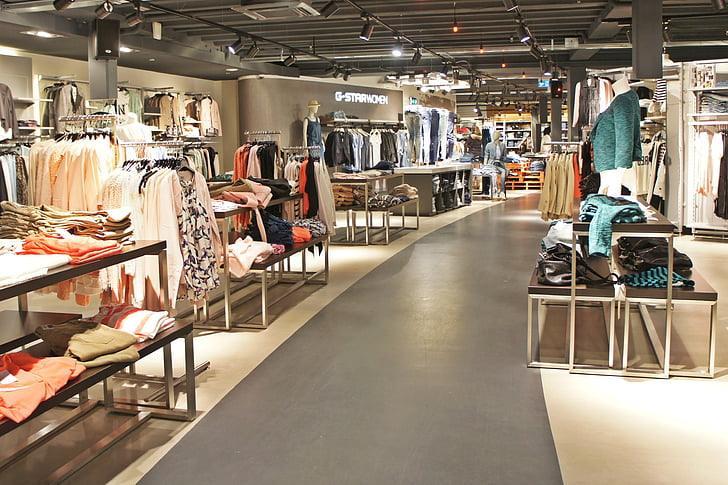
Right now: walls are very "display retail." We want: archive + layering.

06 — Narrative

Day + Night Concept

You've unlocked a full narrative environment — not just a store. What you're describing is:

A time-of-day journey: Day → Golden Hour → Night Market

This gives emotional progression, solves your layout naturally, and ties into your artistic instincts.

☀️
Day
🌇
Golden Hour
🌙
Night

The Gradient Experience

Front

  • Light, breathable, easy to enter
  • Cool, grounded

Mid

  • Denser racks, more layering
  • Treasure hunt builds
  • Warmth creeping in

Back

  • Darker, neon, cinematic
  • The "whoa" moment
  • Depth + journey

"The deeper you go, the more the world changes."

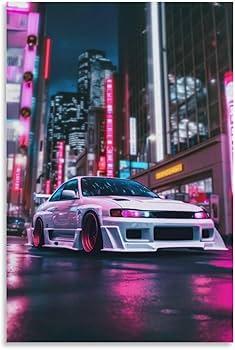
Visual References — Day to Night Mood

The Danger (and How to Avoid It)

Avoid

  • Too much neon = cheap
  • Too themed = gimmicky
  • Too dark = people avoid it

The Balance

  • 80% vintage archive
  • 20% Tokyo night market energy
  • It should feel like a hint, not a costume
07 — First Impression

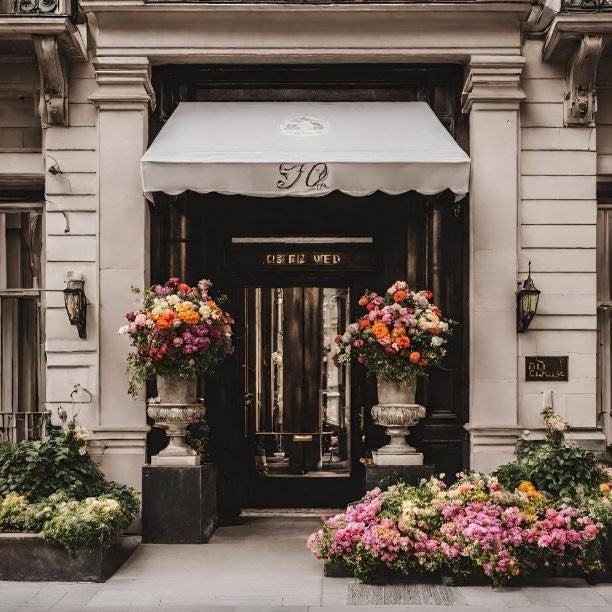
Entrance — "Day Market Threshold"

"You're stepping off the street... into a curated market alley that's just waking up."

Not bright retail. Not calm boutique. Alive, but not loud yet.

What Makes a "Market Entrance" Feel Real

1. Threshold

You don't just walk in. You pass through something.

2. Partial Obstruction

You can't see everything immediately. Your brain leans forward.

3. Signals of Life Inside

Textures, hanging elements, depth.

How to Build This (Physical)

1

Create a "Gateway"

Add ONE: hanging fabric strip (vertical), narrow overhead element (banner, sign, metal bar), or subtle ceiling drop feeling. Not blocking — just marking entry.

2

Layer the First 6–10 Feet

Instead of open → racks, do micro layers: plant (left or right), mannequin slightly forward, rack slightly offset behind. Creates depth and "walk into" feeling.

3

Cool But Textured Light

Think morning city shade. Slightly cool tone, BUT with shadows + contrast. Not bright mall white, not blue LED.

4

Add "Market Signals" (Subtle)

ONE hanging vertical piece: banner (Japanese-inspired or abstract), fabric strip, or subtle signage.

5

Break the Sightline

Place a rack slightly off-center. Not blocking, just bending the view. This creates a slight visual interruption.

Entrance Balance Check

Too MuchResult
PlantsLifestyle boutique
Blue themeGimmicky
Decor overloadLoses mystery

The correct entrance: Calm, cool, slightly industrial... with hints of something deeper inside.

Visual References — Entrance Mood

Final Visual

You walk in... It feels like open air, early in the day. Cool tones, space to breathe. But something is pulling you forward. You don't see everything yet. Then... it warms. It tightens. It deepens. Then... you're in the night market.

08 — Sensory System

Inti Vintage — Sensory Store System

A curated treasure hunt that transforms into a night market as you move deeper.

Zone Breakdown (Summary)

Zone 1 — Entrance (Day / Threshold)

Feeling: Cool, breathable, slightly mysterious

Purpose: Create curiosity + pull people inward

Do

  • Keep it calm
  • Let shadows exist
  • Create depth immediately

Don't

  • Over-decorate
  • Make it too bright or sterile
  • Reveal entire store at once
Zone 2 — Middle (Golden Hour / Treasure Hunt)

Feeling: Warm, engaging, exploratory

Purpose: Slow customers down → increase discovery

Do

  • Create rhythm (dense → open → dense)
  • Encourage browsing + touching

Don't

  • Over-organize
  • Make it feel like a mall store
Zone 3 — Back (Night Market)

Feeling: Immersive, warm, alive, cinematic

Purpose: Create emotional peak + memorability

Do

  • Use contrast (light vs shadow)
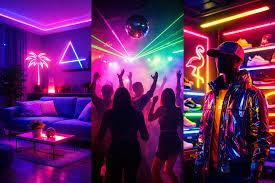
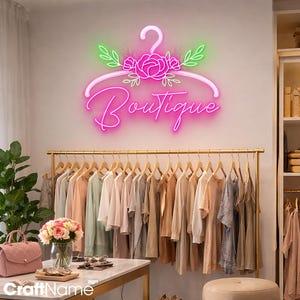
  • Add 1 focal neon/sign element

Don't

  • Overuse color lighting
  • Make it too dark to shop
09 — Sense 1

Sight: Lighting

Lighting is where it either becomes cinematic... or stays a normal store. Not "lights" — but emotional progression through light.

What Night Market Lighting Actually Is

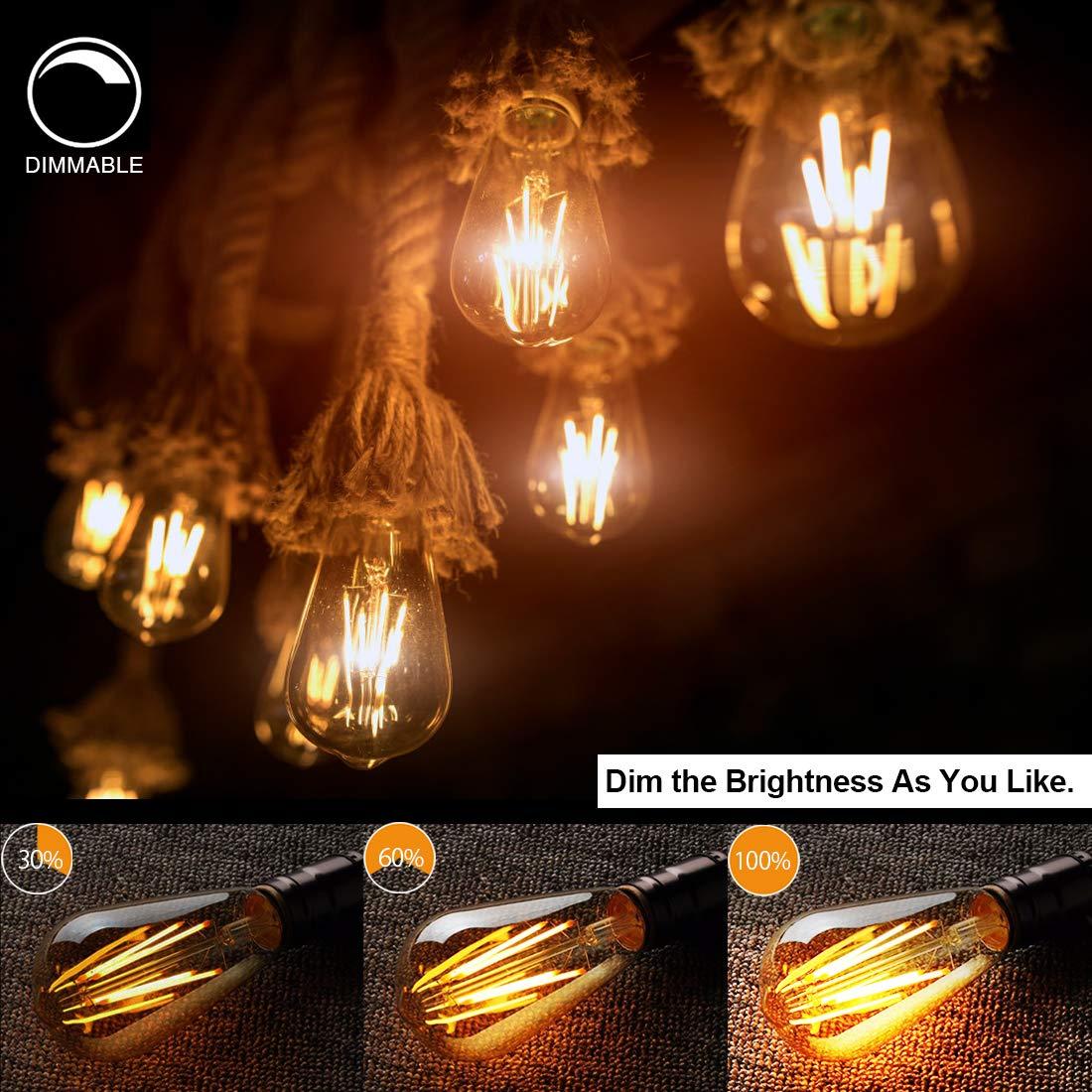
Not just neon. It's a mix of imperfect light sources:

That creates: mystery + depth + movement

Your Store Lighting Story

Zone 1 — Entrance (Daylight Shade)

Feeling: Cool, breathable, open — but not sterile

Color Temp4000–4500K (neutral-cool)
DiffusionSoft (not harsh spotlights)
FeelLike standing in shade outside

Subtle move: Let shadows exist. Not everything needs to be perfectly lit.

Avoid: Bright white (5000K+) feels like a clinic. Warm light here kills your progression.

Zone 2 — Middle (Golden Hour)

Feeling: Warmth creeping in

Color Temp3000–3500K
Track LightsSlightly warmer

What changes: Colors feel richer. Skin tones look better. Clothing feels more "alive."

Key Move: Don't change all lights. Mix some cool (from front bleed) + some warm (new lights). Creates transition, not jump.

Zone 3 — Back (Night Market)

Feeling: Immersive, layered, glowing

Base Light2700–3000K (warm)
AccentsColored, very controlled

Introduce:

Lighting Principles

01

Not everything should be equally visible

Retail says "light everything evenly." You say: guide attention.

02

Light = direction

People walk toward warmth, glow, contrast. Your back area should pull them.

03

Shadows = atmosphere

If there are no shadows: it feels flat, no depth, no mystery.

Implementation Steps

1

Keep current front lighting

Just soften if needed

2

Swap SOME middle bulbs to warmer tones

Not all — creates transition

3

Add 1–2 accent lights in the back

Neon, warm lamp, or directional spotlight

4

Turn OFF or dim 10–20% of lights in back

This is huge — creates contrast instantly

Lighting is what turns your store from a place you look at... into a place you move through.

Visual References — Lighting

10 — Sense 2

Smell: Diffusers / Scent

Smell is the anchor. It's the fastest way to make your space feel real instead of staged. Smell can either elevate everything — or instantly cheapen the whole experience.

"Warm, textured, human... with a hint of intrigue"

Your Scent Profile (Formula)

Base (60%) — Grounding

This is what people don't consciously notice, but feel.

Feels: stable, mature, slightly masculine, grounded

Mid (30%) — The "Human / Fabric" Layer

This is what makes it vintage, not luxury hotel.

Feels: worn-in, real, tactile

Top (10%) — The Intrigue

Barely there. This is your "market signal."

Creates: curiosity

Scent Zones

Entrance (Day)

Lightest scent. Mostly neutral / airy. Hint of wood. Almost unnoticeable.

Middle (Golden Hour)

Warmth increases. More amber + fabric. People start feeling it.

Back (Night Market)

Slightly deeper. Richer musk + warmth. Subtle spice note appears. This is where it becomes emotional.

What to Avoid (Critical)

People won't say "this store smells good." They'll say "this place feels different."

11 — Sense 3

Sound: Ambient Noises / Music

This is the layer that makes everything you've built feel alive instead of staged.

Lighting = what they see. Scent = what they feel. Sound = what makes it breathe.

Your 3 Sound Zones

Front — "Day / Entry"

Feeling: Quiet, spacious, grounded

Sound: Very light music, almost ignorable. Instrumental, soft, minimal, slow tempo.

Customers are still "in the real world." You can still hear footsteps, hangers, small movements. This is important — it feels real.

Middle — "Golden Hour"

Feeling: Warmer, more rhythmic, subtle energy

Sound: Lo-fi beats, soft groove, slightly more presence. Head-nod tempo, not loud, not distracting.

What changes: Rhythm appears. People slow down, stay longer, get into flow.

Back — "Night Market"

Feeling: Alive, layered, immersive

Sound = 2 layers:

1. Music (base)

2. Ambient Texture (the secret)

VERY low volume: distant chatter, subtle street noise, faint movement. Almost subconscious.

Sound should be felt, not noticed. If someone says "the music is loud" → you failed. If someone says "this place feels good" → you nailed it.

Sound Style References

Front

Ambient minimal, slow instrumental

Middle

Lo-fi, soft groove

Back

Japanese jazz, night drive, ambient electronic

Sound turns your store from a visual experience... into a living environment.

12 — Senses 4, 5 & 6

Touch, Taste & The 6th Sense

4. Touch — "The Store You Can Feel"

This is massively underrated in retail. In a night market: fabrics brushing your arm, slightly tight spaces, different materials constantly, not everything smooth or perfect. You are in contact with the environment.

How to Do It:

Avoid: Everything spaced too perfectly, "don't touch" energy, overly delicate displays.

Goal: People are constantly, subconsciously touching something.

👅

5. Taste — The Impression of Flavor / Mood

You're not feeding people... but taste still shows up as the impression of flavor / mood.

Your store version comes from: scent (already set), color (warm tones in back), lighting (golden + neon).

Optional (very powerful if subtle):

Goal: The space feels "rich" and satisfying, not empty or sterile.

🧠

6. Perception of Discovery (The Real One)

This is what makes your store addictive. Not a physical sense — but: "Did I find this... or was it given to me?"

How to Create It:

"Wait... how did I find this?"

When All 6 Are Working

SenseEffect
SmellGrounding
LightEmotional progression
SoundLife
TouchInteraction
TasteRichness
DiscoveryAddiction

People won't come just to buy clothes. They'll come to feel something... and to find something that feels like it was meant for them.

13 — Refined Direction

Discovery Market (Refined)

The Core Shift

Not: "Asian night market replica"

But: "Global vintage market energy filtered through Inti identity"

So instead of copying a culture... you're creating:

Your Lighting System (3 Layers)

1. Base = Warm

Edison bulbs, soft amber wash. Makes people stay longer. Trust + comfort.

2. Accent = Neon / LED

NOT everywhere — only in moments. Pink / blue / subtle green. Energy.

3. Shadow = Intentional Darkness

Not everything lit evenly. Creates mystery + depth.

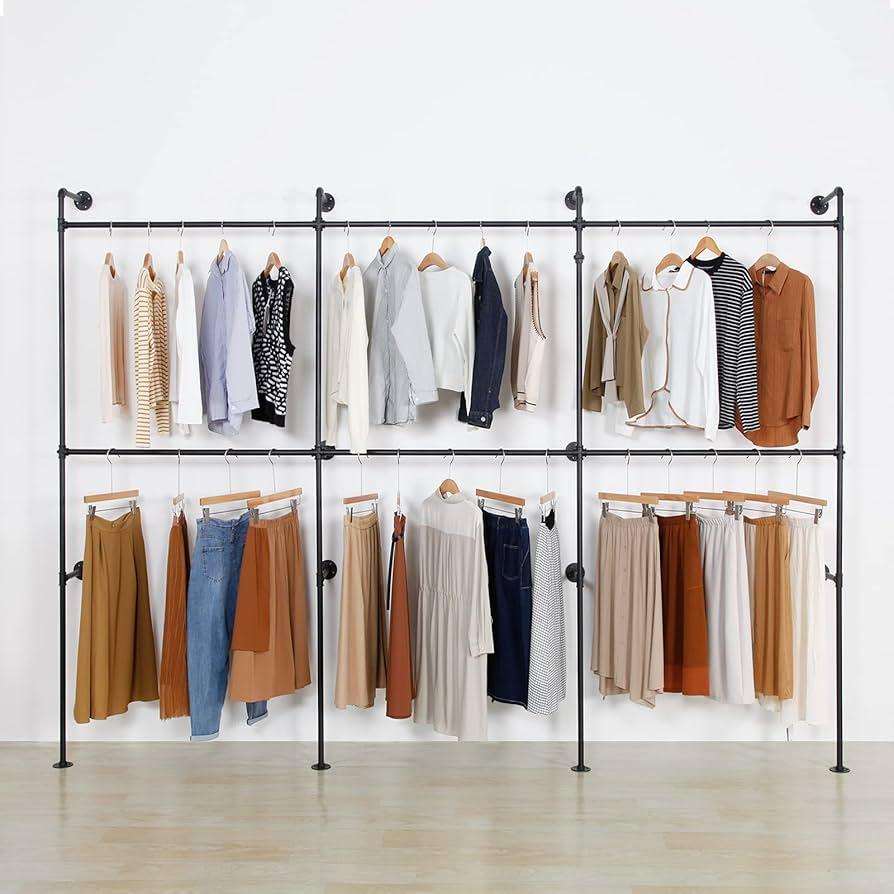
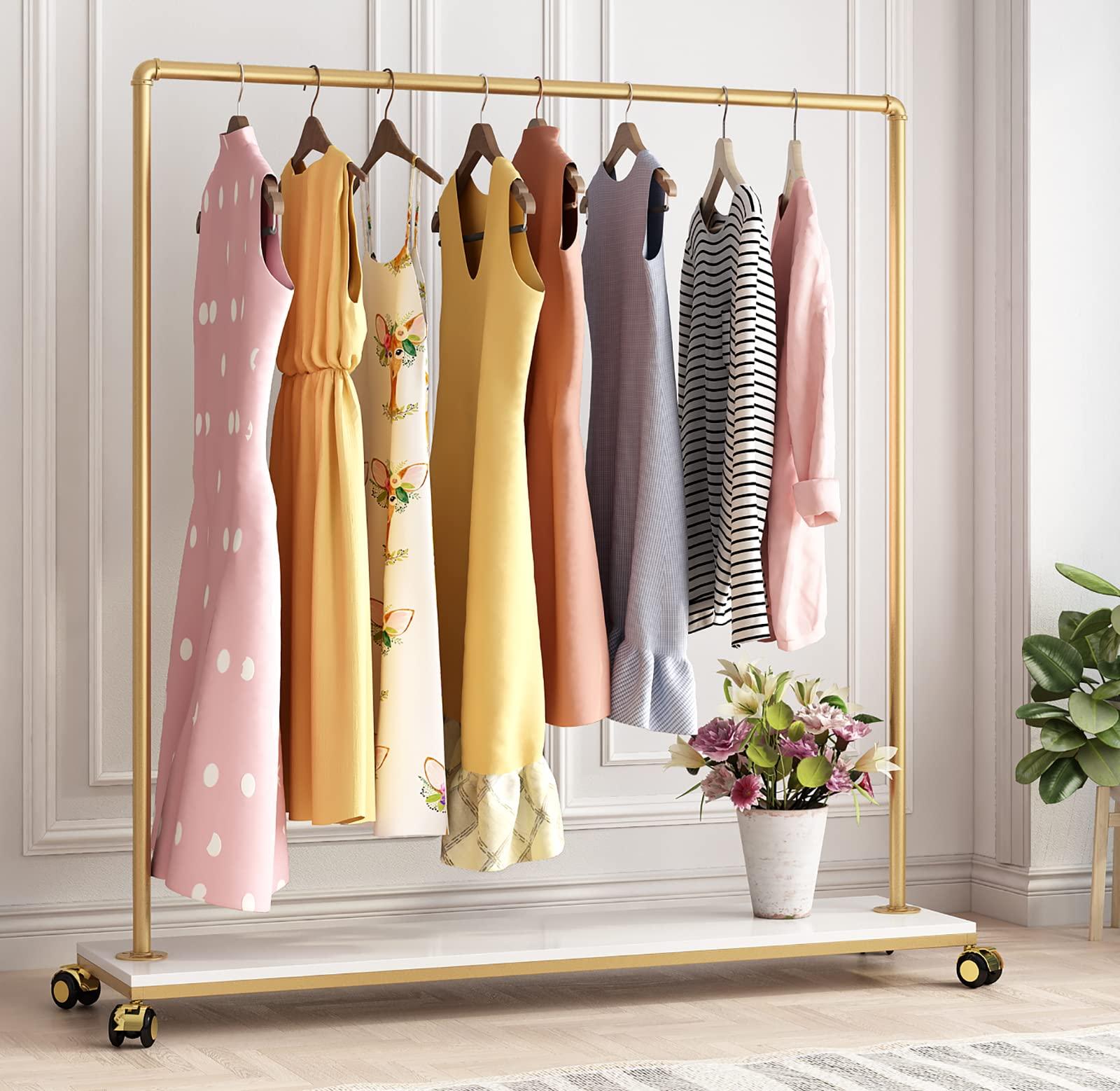
Racks — Turn Chaos Into Design

A. Break Repetition

Right now probably: same height, same metal, same rhythm. Change that:

B. Add Interruption Points

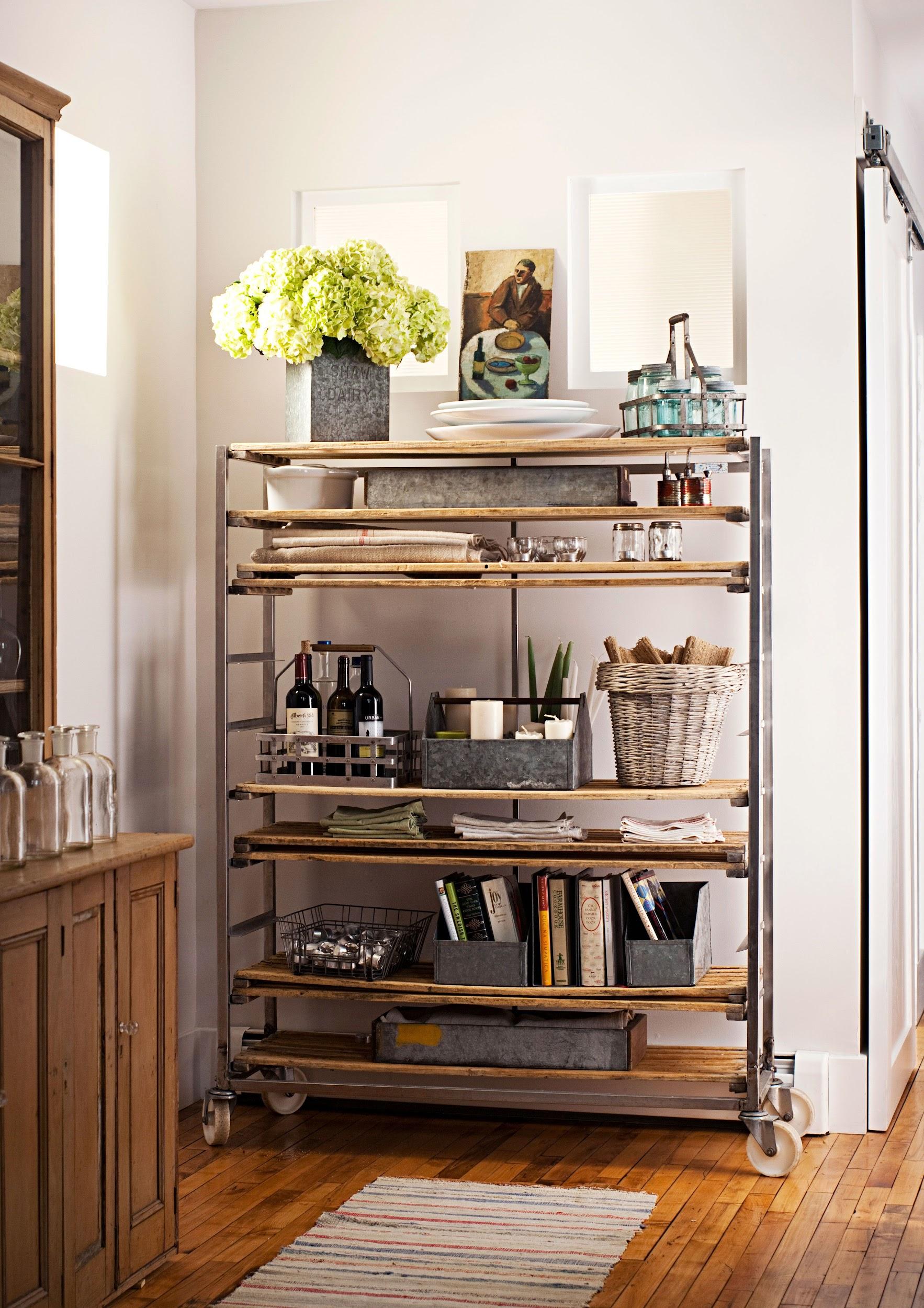
Instead of tables, do "Objects of Pause":

These slow people down, increase touching, increase buying.

Visual References — Racks & Fixtures

The "Cool Centerpiece" (Controlled)

Rule: ONE centerpiece max. Not 5 ideas fighting each other.

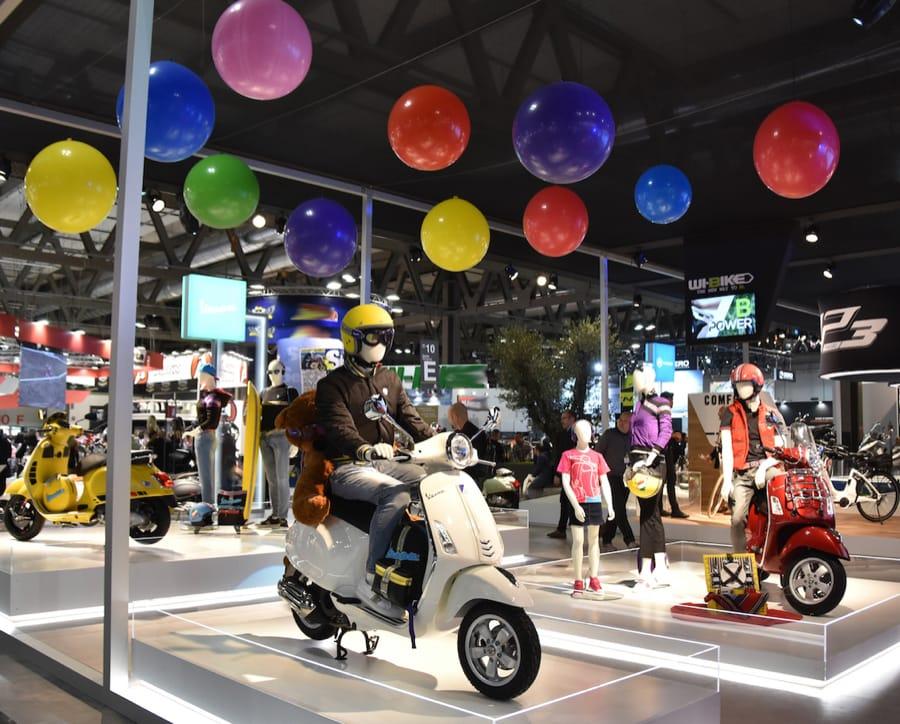
Options: scooter (clean, curated), stacked crates tower, sculptural clothing pile, elevated "hero drop zone"

It should feel: accidental but perfect. Not: theme park prop.

Visual References — Centerpieces & Back Zone

Back of Store — "The Reward"

Make it: darker, warmer, more intimate.

People who reach here are already bought in. Now you convert them.

Simple Design Rules For You

01

"Does this feel like discovery or decoration?"

02

"Would someone film this naturally?"

03

"Is there breathing room here?"

"A warm, dim, high-energy discovery space where every piece feels found, not placed."

Master List

Do's & Don'ts

Everything distilled into one place. Print this. Reference it before every change.

DON'T JUST BUY RANDOM DECOR

Every single object in your store should earn its place. If it doesn't serve the story, it doesn't belong.

DO: Remember — we are BUILDING a story

Every rack, every light, every scent note is a sentence in the narrative your customer walks through.

Entrance / Zone 1

Do

  • Keep it calm and breathable
  • Let shadows exist
  • Create depth immediately with layered elements
  • Add 1 strong visual anchor (mannequin / standout jacket)
  • Break the sightline with a slightly offset rack
  • Use cool light (4000–4500K)
  • Create a subtle "gateway" feeling

Don't

  • Over-decorate the entrance
  • Make it too bright or sterile
  • Reveal the entire store at once
  • Use warm lighting here (kills the progression)
  • Go above 5000K (feels like a clinic)
  • Overload with plants (reads as lifestyle boutique)
  • Use too much blue (reads as gimmicky)

Middle / Zone 2 (Golden Hour)

Do

  • Create rhythm: dense → open → dense
  • Encourage browsing and touching
  • Stagger racks (left forward, right back, alternate)
  • Mix categories slightly
  • Add 1–2 interrupt tables
  • Transition lighting to warmer (3000–3500K)
  • Mix some cool light bleed with new warm lights

Don't

  • Over-organize (kills discovery)
  • Make it feel like a mall store
  • Space racks evenly (breaks the journey)
  • Color-code everything perfectly
  • Change ALL lights at once (should feel like transition, not jump)

Back / Zone 3 (Night Market)

Do

  • Use contrast (light vs shadow)
  • Add 1 focal neon/sign element
  • Make it darker, warmer, more intimate
  • Put your strongest / boldest pieces here
  • Use point light sources (not just ceiling)
  • Tighten walkway slightly for "alley pocket" feeling
  • Turn off or dim 10–20% of overhead lights

Don't

  • Overuse color lighting (1–2 colors max)
  • Make it too dark to actually shop
  • Use too much neon (reads cheap)
  • Over-theme it (reads gimmicky)
  • Block the walkway

Scent

Do

  • Use warm wood (cedar / sandalwood) as base
  • Layer: musk + fabric + hint of spice
  • Keep entrance scent almost unnoticeable
  • Deepen scent gradually toward back
  • Make it feel "warm, textured, human"

Don't

  • Use vanilla (too sweet / cheap retail)
  • Use citrus overload (too clean / gym-like)
  • Use strong florals (breaks industrial identity)
  • Use "new laundry" scent (kills vintage authenticity)
  • Make the scent obvious — it should be felt, not noticed

Sound

Do

  • Keep front quiet and minimal (instrumental, slow)
  • Build rhythm in the middle (lo-fi, soft groove)
  • Layer music + ambient texture in the back
  • Let natural sounds exist (footsteps, hangers)
  • Use Japanese jazz / night drive / ambient electronic for back

Don't

  • Make music loud enough to comment on
  • Use the same volume/vibe everywhere
  • Play generic retail playlists
  • Drown out natural store sounds

Touch & Fixtures

Do

  • Vary rack materials (wrapped, raw metal, wood)
  • Use "Objects of Pause" (crates, platforms, blocks)
  • Place textured pieces where hands naturally go
  • Mix folded + hanging for varied hand motions
  • Use ONE centerpiece max

Don't

  • Use all-same-height, all-same-metal racks
  • Space everything too perfectly
  • Create "don't touch" energy
  • Use overly delicate displays
  • Have 5 centerpiece ideas fighting each other
  • Make it feel like a theme park prop

Overall Store Rules

Do

  • Layer depth: rack behind rack, partial obstruction
  • Create an emotional progression (curiosity → discovery → immersion)
  • Mix high + low + weird value pieces across all zones
  • Let customers feel smart for finding things
  • Think "80% vintage archive / 20% night market energy"
  • Keep it feeling discovered, not presented
  • Keep it intentional, not over-designed

Don't

  • Front-load all the best pieces
  • Over-signage or over-label anything
  • Create a fully open sightline from entrance to back
  • Use evenly spaced racks across the entire store
  • Use a single lighting temperature everywhere
  • Copy a culture — create a universal found world
  • Make decoration the point — make discovery the point

Every choice either builds the story... or breaks it. There is no neutral. Build intentionally.

14 — Action Plan

Non-Negotiables & Quick Implementation

Non-Negotiables

Key Design Principles

1. Layering > Perfection

Depth creates intrigue

2. Contrast > Uniformity

Light, spacing, and density should vary

3. Suggestion > Decoration

Hint at a world, don't theme it

4. Discovery > Display

Let customers find, not be shown

3 High-Impact Changes (Do These First)

1

Stagger your center racks

Break the straight symmetry

2

Compress the entrance slightly

Create intrigue instead of openness

3

Build a distinct back-zone lighting shift

Even subtle = powerful

Quick Implementation (Start Here)

1

Offset entrance rack

Break sightline

2

Stagger middle racks

Create rhythm

3

Add warm lighting shift toward back

Swap some bulbs

4

Install 1 neon or focal light in back

Create the cinematic moment

5

Introduce scent

Start in back zone with sandalwood + soft musk + tiny spice

Final Identity Statement

Inti Vintage is not a store.
It is a walkable archive that unfolds into a night market — where every piece feels discovered, not displayed.

Customers walk in curious... slow down in the middle... and get immersed in the back.
Then they come back again.

Home Inti Hub Merch Plan Do's & Don'ts Floor Layout